
Views: 0 Author: Site Editor Publish Time: 2026-08-14 Origin: Site


The cycling industry has officially shifted gears. Pediatric physical therapists and cycling coaches alike now firmly advocate for early balance-first adoption over traditional training wheels. Early motor skill development relies heavily on intuitive, self-directed movement.
Parents naturally want a safe, frustration-free way for toddlers to learn riding mechanics. However, they often face a saturated market filled with confusing material options, varying sizing standards, and unpredictable price points. Selecting the right gear feels overwhelming when you just want your child to ride confidently.
This guide provides an evidence-based framework for evaluating these popular beginner bikes. We will outline realistic usage timelines and explain the exact specifications needed to ensure a successful transition to a pedal-driven model. You will learn how to bypass common developmental traps entirely.
Balance over pedaling: Mastering the center of gravity first drastically reduces the learning curve for a standard pedal bike.
The Inseam Rule: A balance bike is only effective if the child can plant their feet flat with a slight knee bend; frame size trumps age recommendations.
Weight is critical: A balance bike should never exceed 30% of a child’s body weight to ensure maneuverability and prevent early discouragement.
Transition readiness: Consistent, feet-up gliding signals readiness for pedals—usually occurring within 12 to 18 months of adoption.
Stabilizers create a false center of gravity. They teach children to lean outward during turns. This directly contradicts actual cycling mechanics. When you use training wheels, children never experience the sensation of leaning into a curve. The bike physically prevents them from shifting their body weight naturally. Later on, when parents remove the stabilizers, children must completely relearn how to turn. This creates immense fear and delays independent riding.
Foot propulsion allows children to self-regulate. Toddlers control their own speed entirely. They feel grounded and secure. Balance Bikes utilize this intuitive learning curve beautifully. By keeping both feet near the ground, riders can stop instantly. This greatly reduces injury risk. It also eliminates the common cycling fears associated with high-seated pedal bikes. Children naturally push boundaries only when they feel perfectly safe.
The stride and glide motion translates perfectly to independent riding. It actively builds core strength. It develops the exact spatial awareness needed to stay upright. Once balance clicks, introducing pedals feels effortless. They already know how to steer, lean, and look ahead. The cognitive load required to pedal becomes a minor addition rather than a massive hurdle. This seamless motor skill translation proves why early balancing works so effectively.
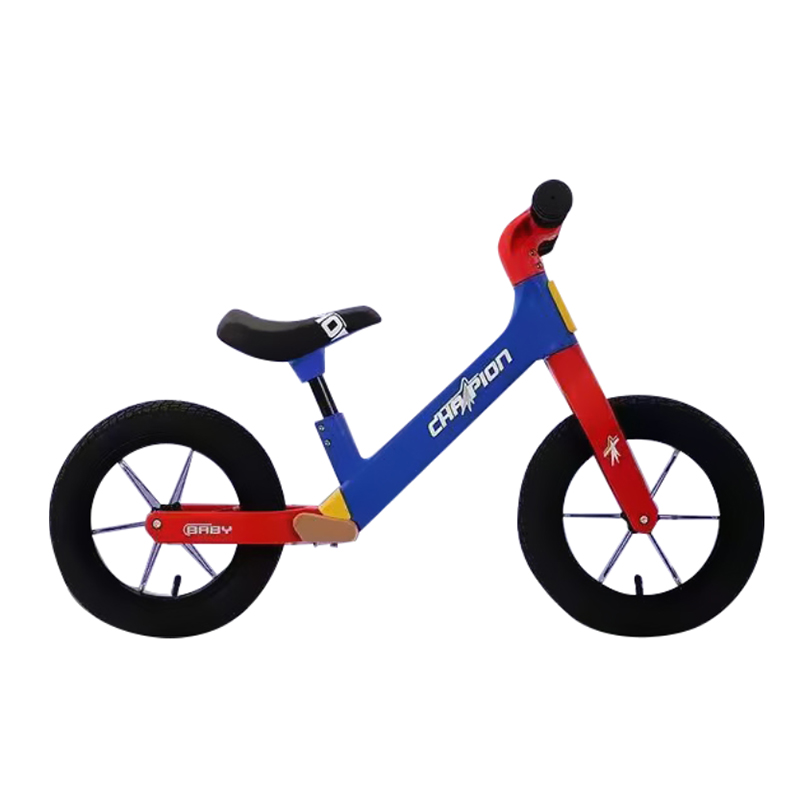
Parents often hesitate before buying specialized toddler bikes. They worry about a seemingly short 12 to 18-month lifespan. However, this focused window is highly developmental. Toddlers rapidly acquire gross motor skills between ages two and four. A short lifespan does not mean low value. Instead, it signifies rapid skill mastery. Your child will likely outgrow clothes faster than they outgrow their glider.
Compare the upfront cost against the alternative experience. Heavy training-wheel setups cause deep frustration. They often lead to scraped knees and delayed adoption. The smooth progression of a specialized glider saves immense parental frustration. You avoid spending weekends holding onto a heavy seat. You avoid pushing a crying child up tiny hills. The true outcome is building early athletic confidence. A frustration-free introduction to cycling pays dividends for years.
Many parents try a popular hack instead of buying a dedicated glider. They simply take the pedals off a standard 12-inch Kids Bike. This hack usually fails completely. The bottom bracket on a pedal bike sits too high. The frame weighs entirely too much. Toddlers cannot comfortably stride on these modified geometries. Their legs hit the crank arms. They struggle to support the heavy frame. Purpose-built gliders utilize specific geometries designed entirely for tiny strides.
Age-based sizing fails frequently in the cycling industry. Toddlers grow at wildly varying rates. A three-year-old might have the inseam of an average four-year-old. You must measure a child's inseam instead of relying on age charts.
Have your child stand flat against a wall wearing their normal shoes. Place a small book between their legs, sliding it up gently. Measure straight down from the top of the book to the floor. This number is their true inseam. The minimum seat height of the bike must sit 1 to 1.5 inches shorter than this inseam. This gap allows them to plant their feet flat. It guarantees the slight knee bend necessary for powerful pushing.
You must apply the 30% rule strictly. The maximum bike weight must never exceed 30% of your child’s body weight. If your child weighs 30 pounds, the bike should weigh 9 pounds or less. Heavy frames cause early fatigue.
Toddlers cannot easily maneuver heavy metal frames. If a bike falls over, they struggle to pick it up independently. This leads to outright adoption failure. They simply walk away and refuse to ride. A lightweight frame ensures they can easily steer, stop, and lift the bike over obstacles.
Tire selection dictates where your child can comfortably ride. EVA foam tires are puncture-proof and ultra-lightweight. They work best for indoor use or very smooth pavement. However, they lack traction on wet surfaces or dirt.
Pneumatic, or air-filled, tires weigh slightly more. However, they offer superior suspension and grip. They remain entirely necessary for trail riding, gravel paths, or uneven neighborhood terrain. If your local parks have packed dirt trails, air-filled tires provide much-needed safety.
Wood frames look beautiful in nurseries. However, wood degrades quickly outdoors. It also severely lacks seat adjustability. Steel offers immense durability but adds unwanted pounds. Aluminum represents the premium choice for most families. It resists rust completely and stays incredibly lightweight.
Handbrakes often distract toddlers under age three. At this stage, cognitive processing remains focused purely on balance. Foot-stopping works best initially. Once they approach age three and glide rapidly, a simple rear handbrake becomes developmentally appropriate.
Evaluation Specs Overview
Feature | Primary Benefit | Best Use Case | Common Drawback |
|---|---|---|---|
EVA Foam Tires | Zero maintenance, very light | Indoor, smooth pavement | Low traction on dirt |
Pneumatic Tires | High grip, natural suspension | Trails, gravel, uneven roads | Heavier, can go flat |
Aluminum Frame | Ultra-lightweight, rust-proof | All-around everyday use | Higher initial cost |
Steel Frame | Highly durable | Rough play, budget options | Too heavy for small toddlers |
Choosing the right environment dictates early success. You need low-distraction spaces. Avoid crowded playgrounds where older children ride erratically. A smooth, empty tennis court works beautifully. Better yet, find a slight-decline driveway or paved path. Gravity naturally encourages those first spontaneous glides. A gentle slope does the pushing for them. This allows them to lift their feet effortlessly.
Follow a clear progression framework to build confidence slowly. Children rarely jump on and glide immediately.
Standing and walking over the frame to build spatial familiarity.
Sitting down on the saddle and striding forward slowly with both feet.
Running fast and lifting feet off the ground to initiate true gliding.
You must mitigate parental interference. Resist the urge to intervene during practice. Do not hold the handlebars for them. Do not hold your child by the shoulders. Let them dictate the pace completely. If you hold the bike, you artificially balance it. They learn nothing about their own center of gravity. Stand back and offer verbal encouragement instead.
Safety rules remain non-negotiable from day one. Always ensure proper helmet fitting. The helmet must cover the forehead completely, sitting just above the eyebrows. Loose helmets protect nothing during a fall. Closed-toe footwear remains an absolute requirement. They use their toes to brake constantly. Sandals will lead to immediate foot injuries.
Look for specific behavioral signs before upgrading. Do not rush this process based on age. Your child might consistently maintain a glide for over 10 feet. They might navigate sharp turns without any foot dabs. They naturally look ahead rather than staring down at their front wheel. These physical milestones show clear readiness. Their brain has fully automated the balance equation.
You must avoid the weight trap during the upgrade. Do not transition them to heavy box-store models. A bulky 35-pound pedal bike regresses their hard-earned confidence immediately. Look for lightweight aluminum specifications in their first pedal model. The new bike should utilize a freewheel rather than coaster brakes. Coaster brakes confuse children who are used to backpedaling to position their feet.
Enforce a strict no training wheels rule. Never introduce stabilizers once balance clicks. Doing so completely undoes their gross motor programming. Trust their established spatial awareness. If they struggle on pedals, it usually means the new bike is too heavy. It might also mean the seat sits too high. Keep the seat low initially so they can still touch the ground.
We must view early cycling tools as developmental equipment, not just disposable toys. Mastering gravity and spatial awareness early transforms how children interact with their physical world. The right gear removes fear and replaces it with self-directed confidence.
When you start browsing models, prioritize data over aesthetics. A poorly sized, heavy frame will ruin the experience regardless of how cute it looks.
Prioritize the inseam fit over arbitrary age guidelines.
Strictly adhere to the 30% weight rule to prevent fatigue.
Match tire types to your local riding environment.
Never install training wheels on future pedal bikes.
Take action before making a purchase. Grab a tape measure and a book right now. Measure your child’s inseam today before browsing models online. Ensuring a data-backed purchase decision guarantees a smooth, joyful introduction to a lifelong sport.
A: Not at all. Many brands manufacture larger 14-inch and 16-inch models specifically for older preschoolers. The balance-first method still applies perfectly. Older children possess better leg strength and comprehension. They often master the gliding mechanics in just a few weeks before transitioning straight to pedals.
A: They are unnecessary for toddlers under age three. Young toddlers use foot-stopping mechanics instinctively. Handbrakes add cognitive distraction and require grip strength they often lack. Once a child reaches age three and glides at high speeds, introducing a rear handbrake becomes a helpful transitional tool.
A: Usage heavily depends on the starting age. A child starting at 18 months may ride it for two full years. A child starting at age three might transition in six months. Most children naturally transition to pedals between ages 3.5 and 5.
A: This remains a poor substitute. Standard pedal frames weigh significantly more. The bottom bracket and frame geometry sit too wide. This forces the child into an awkward, wide-legged stance. It prevents comfortable striding and causes rapid fatigue. Purpose-built gliders feature narrow frames tailored for toddler hips.


