
Views: 0 Author: Site Editor Publish Time: 2026-09-15 Origin: Site


Urban congestion, rising fuel costs, and the persistent last-mile commute problem force city dwellers to re-evaluate daily transit methods. Traditional transportation introduces heavy friction into your morning routine. You face severe parking limitations, unpredictable transit delays, and compounding daily expenses that drain your budget. We need to transition from viewing micro-mobility as a mere recreational trend. Instead, we evaluate the Electric Scooter as a legitimate, high-return utility vehicle. These devices systematically reduce daily friction. They save valuable time by bypassing gridlock and significantly lower your transit costs. This guide breaks down the mechanical components, practical daily applications, and strict evaluation criteria for integrating micro-mobility into your routine. You will learn exactly how to assess battery range, motor power, and portability to match your specific commute requirements.
Time and Friction Reduction: An electric scooter bypasses localized traffic congestion and eliminates the time spent searching and paying for parking, directly solving the last-mile commute gap.
Cost Efficiency: While upfront acquisition costs vary, the overall operational expense (electricity for charging, minimal maintenance) is exponentially lower than internal combustion vehicles or daily rideshare usage.
Intuitive Accessibility: Modern electric scooters feature a low barrier to entry with simple "hop on and go" mechanics, making them easy to learn for adults of varying athletic abilities.
Portability vs. Performance Trade-off: The primary decision-making factor hinges on balancing a scooter’s weight (for carrying up stairs or onto trains) against its battery range, motor power, and ride stability.
Adoption Realities: Successful integration into daily life requires accounting for local municipal regulations, weather limitations, and the necessity of proper safety gear.
Understanding the functional anatomy of these devices helps you maximize their utility on the street. The core consists of a high-density lithium-ion battery pack. This power source sits beneath the narrow platform or deck. Placing the heavy battery low keeps the center of gravity near the ground. This design choice drastically improves rider stability during tight turns and sudden stops. Hub motors drive the vehicle forward. Manufacturers place these motors directly inside the front or rear wheels. Rear-wheel drive offers better traction during rapid acceleration. It prevents the front wheel from spinning out on loose gravel or wet pavement. Front-wheel drive pulls the rider forward. Some riders find front-wheel setups easier to control on flat, predictable pavement.
The T-stem handlebars house your entire control center. You will find a simple thumb or trigger throttle on the right side. Hand brakes sit on the left or both sides, mirroring a standard bicycle layout. The conversion of electrical power to mechanical energy happens instantly when you press the throttle. This provides immediate torque to the wheels. Instant torque helps you navigate stop-and-go urban environments safely. You can accelerate quickly away from intersections before heavy vehicles start moving. The center of the handlebars usually features an LED display. This screen shows your current speed, battery life, and riding mode.
The learning curve remains remarkably low for adults. Manual bicycles require balance during slow pedaling. Skateboards demand complex weight shifting and precise foot placement. The straightforward push-throttle operation makes an Electric Scooter highly accessible. First-time users typically feel confident within ten minutes of practice. You simply kick off the ground to gain slight momentum. Then you press the throttle and glide. The wide deck allows you to stand with your feet parallel or staggered. Staggered stances offer better balance during sudden stops. You keep one foot forward near the stem and one foot back near the rear fender.
Physical footprint dictates urban utility. Bicycles require dedicated metal racks bolted to the sidewalk. Cars demand massive concrete parking structures that take up valuable city blocks. Micro-mobility devices occupy a fraction of this space. You can navigate crowded sidewalks and narrow bike lanes effortlessly. The slim profile prevents you from getting stuck in gridlock between idling cars. You simply ride past the congestion. You never have to circle the block looking for an open parking space.
Folding mechanisms define their daily practicality. A heavy-duty metal latch allows the steering column to collapse parallel to the deck. This folding action takes about three seconds. It enables under-desk storage at the office. You can slide the folded unit into an apartment closet at home. You completely eliminate the need for secure outdoor parking. Bringing the unit inside drastically reduces the risk of theft. It also protects the electronic components from unexpected rain or extreme heat. You must periodically lubricate the folding latch to prevent stem wobble over time.
Aesthetics matter in professional corporate settings. Modern commuter models prioritize sleek, understated styling. Manufacturers use matte black finishes and integrated cable routing to create a clean look. They function as appropriate transit tools for corporate environments. You do not look like you rode a recreational toy to a business meeting. The design communicates efficiency and modern practicality. Many units feature flush-mounted LED displays that blend seamlessly into the handlebars. This minimalist approach appeals to professionals wearing business attire.
The last-mile problem plagues modern urban planning. It represents the physical distance between a major transit hub and your final destination. Walking this distance often takes too long and leaves you sweating before work. Waiting for a connecting bus introduces unpredictable delays into your morning schedule. Taxis or rideshares are disproportionately expensive for short trips under two miles. You end up paying high base fares for a five-minute ride.
Lightweight micro-mobility devices bridge this gap perfectly. You can carry a compact model onto a commuter train or city bus. Once you disembark at the station, you unfold the stem. You ride directly to your office door. This creates a direct door-to-door commute. You bypass the friction of waiting for transit connections. You control your exact arrival time. Integrating an Electric Scooter with public transit expands your job search radius. You can accept positions further from train stations without worrying about the walking distance.
Most daily vehicle trips fall under three miles. These micro-trips include grocery runs, gym visits, and local medical appointments. Using a car for these short distances is highly inefficient. You spend time extracting the car from a tight garage. You sit in local neighborhood traffic. You waste minutes hunting for parking at your destination. The engine barely reaches standard operating temperature before you shut it off. This causes excessive wear on internal combustion components.
Deploying a micro-mobility device takes seconds. You travel door-to-door using dedicated bike lanes. You lock the device outside the store using a heavy-duty U-lock around the folding mechanism. Alternatively, you can fold it and carry it inside with you. The time savings compound significantly over a standard work week. Beyond solo commuting, these vehicles offer immense weekend recreational utility. You can easily ride with partners to local cafes. You can navigate local parks or explore paved greenways without breaking a sweat. Many riders attach small cargo bags to the stem for carrying light groceries. This expands the utility beyond simple passenger transport.
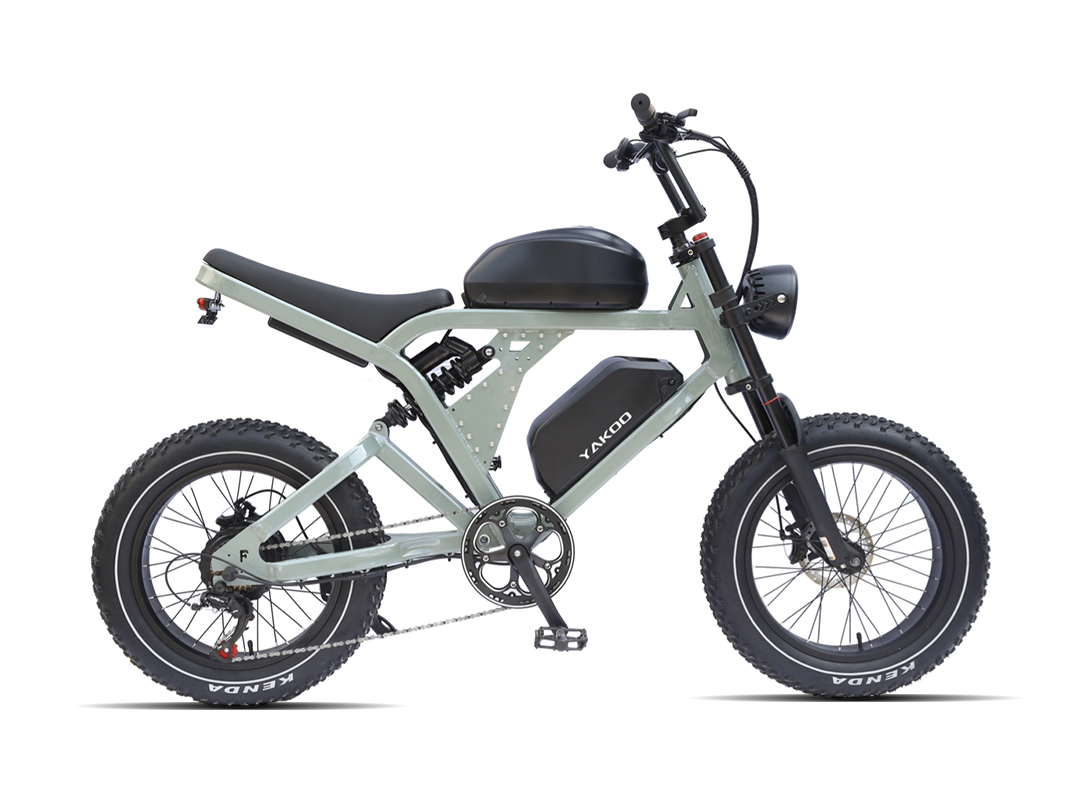
Commute time reductions are often dramatic in dense cities. You utilize dedicated bike lanes to bypass miles of gridlock. A three-mile urban commute might take 30 minutes in a car due to heavy traffic and stoplights. The same route takes 12 minutes on two wheels. You reclaim hours of lost time each week. You can sleep in later or spend more time with family. You arrive at your destination energized rather than frustrated by traffic.
You must contrast the time saved against the operational realities of ownership. Standard models require four to eight hours for a full battery charge. You must build charging into your daily routine. Plugging the unit in under your desk at work works best. Pre-ride safety checks are also mandatory. You must spend 30 seconds checking tire pressure before every trip. You must test brake responsiveness before entering traffic. Neglecting these checks leads to mechanical failures on the road. You should also inspect the frame for any loose bolts weekly.
Calculating the break-even point proves the financial viability of micro-mobility. You start with the upfront cost of the vehicle. Add the cost of necessary safety gear like helmets and reflective jackets. You then calculate your current monthly transit expenses. Include gas, parking garage fees, public transit passes, and rideshare receipts. Do not forget to factor in the hidden costs of car ownership like insurance and registration.
The operational costs are incredibly low. Electricity for charging costs pennies per day. Maintenance is minimal compared to an internal combustion engine. You do not pay for oil changes, transmission fluid, or expensive sensor replacements. Most users hit their break-even point within four to six months of daily riding. After that period, the device generates pure financial savings. The return on investment outpaces almost any other transit method available today.
Carrying the device is a daily reality for most commuters. You must navigate apartment stairs, train aisles, and office lobbies. Weight dictates how easily you can manage these physical obstacles. We can categorize devices into three distinct weight tiers to help you choose.
Weight Tier | Weight Range | Best Use Case | Trade-offs |
|---|---|---|---|
Ultra-Portable | Under 30 lbs | Mixed-transit commutes, frequent stair climbing. | Smaller battery, shorter range, minimal suspension. |
Commuter | 30 - 50 lbs | Direct commutes up to 5 miles, elevator access. | Heavier to carry, better range, improved ride quality. |
High-Performance | 50+ lbs | Long direct commutes, replacing a car entirely. | Very difficult to carry, maximum range, high speeds. |
If you live in a fourth-floor walk-up apartment, an ultra-portable model is mandatory. Carrying 50 pounds up four flights of stairs every evening becomes exhausting quickly. If your building has an elevator, you can comfortably upgrade to a heavier commuter model for better range. You must honestly assess your physical strength and daily route before purchasing.
Range anxiety is a real concern for new riders. You must understand the difference between manufacturer-stated range and real-world range. Manufacturers test range under ideal laboratory conditions. They use a light rider, perfectly flat terrain, and slow, consistent speeds. Real-world conditions drain the battery much faster. You will encounter wind resistance, stop-and-go traffic, and varying road surfaces.
Rider weight, steep inclines, and cold temperatures reduce battery efficiency. A stated range of 20 miles might only yield 12 miles in reality. Calculate your exact daily round-trip mileage. Select a model with a stated range of at least 30 to 40 percent more than your required distance. This buffer prevents range anxiety. It also extends the overall battery lifespan by preventing deep discharges. You never want to push the battery to zero percent on your way home.
The contact patch with the road determines your physical comfort. You must choose between solid and pneumatic tires. Solid tires require zero maintenance. They never go flat because they contain no air. However, they provide a harsh ride. You feel every crack and pebble in the pavement. Pneumatic air-filled tires offer superior shock absorption. They grip the road better during tight turns. The trade-off is the risk of punctures from glass or nails. You must carry a portable pump and patch kit.
Suspension systems further dictate ride quality. Evaluate your local city infrastructure before buying. Smooth, freshly paved asphalt requires minimal suspension. Cobblestone streets or pothole-heavy roads demand dual suspension setups. Spring or hydraulic suspension systems absorb heavy impacts. This protects your knee joints and prevents the vehicle's frame from cracking under stress. Good suspension keeps the tires planted on the ground for better braking traction.
Stopping power is your most critical safety feature on the road. You will encounter three main braking options. Electronic or regenerative brakes use the motor resistance to slow down. They feed a small amount of power back to the battery. Drum brakes are enclosed within the wheel hub. They require very little maintenance and resist weather damage. Mechanical disc brakes offer the strongest, most precise stopping power. You must periodically adjust the brake calipers as the pads wear down.
Disc brakes are essential for higher speeds and heavy traffic. They perform exceptionally well in wet conditions. Integrated lighting is also non-negotiable for commuters. Look for high-lumen headlights mounted high on the stem for night riding. Bright taillights that flash when braking alert trailing vehicles to your presence. A high-traction silicone deck grip prevents your shoes from slipping in damp conditions. You should also consider adding aftermarket turn signals if your model lacks them.
The legal landscape for micro-mobility remains highly fragmented. Rules vary drastically between neighboring cities and states. You must navigate a patchwork of local regulations. Common restrictions include strict speed limits on public bike paths. Many municipalities enforce outright sidewalk bans to protect pedestrians from collisions. You must ride in the street alongside cars in these areas.
Mandatory bike lane usage is common in dense urban centers. Some regions impose age restrictions or require a valid driver's license to operate motorized devices. You must verify local municipal codes before purchasing your unit. Ignorance of local laws can result in heavy fines or immediate vehicle confiscation by law enforcement. Always yield to pedestrians at crosswalks and obey standard traffic signals just like a car. Use proper hand signals when turning to communicate with drivers.
Ease of use does not negate physical risk. Traveling at 15 miles per hour exposes you to serious injury during a fall. Proper safety gear is non-negotiable for daily riders. A CPSC-certified helmet is your first line of defense against head trauma. Reflective clothing ensures visibility during early morning or late evening commutes. Eye protection prevents wind, dust, and flying debris from impairing your vision at speed.
Respect the initial learning curve. Adopt strict onboarding best practices. Go slow first. Practice in empty parking lots before entering live traffic. Master your body weight distribution. Lean back slightly when braking hard to prevent going over the handlebars. Practice emergency stops until they become automatic muscle memory. Learn how to scan the road ahead for potholes and opening car doors. Assume drivers cannot see you and ride defensively at all times.
Weather severely impacts micro-mobility utility. Check the Ingress Protection rating of your device. An IP54 rating means the device is splash-proof. It can handle light drizzle on your way home. It is not waterproof. Riding in heavy rain is generally discouraged. Water can fry the internal electronic components and void your warranty. Wet leaves and painted road lines become incredibly slippery under rubber tires.
Basic maintenance ensures longevity. You cannot ignore mechanical upkeep. Follow these essential maintenance steps:
Monitor tire pressure weekly with a standard gauge to prevent pinch flats and maximize range.
Adjust brake pads and tighten cable tension as they wear down to maintain maximum stopping power.
Wipe down the frame with a damp cloth to remove corrosive road salt and dirt.
Check all visible screws and bolts for tightness, especially around the folding mechanism and stem.
Practice proper battery care by avoiding deep discharges and storing the device at room temperature.
Map your exact daily route using a GPS application to calculate the required round-trip mileage and identify steep terrain challenges.
Verify your local municipal micro-mobility laws regarding sidewalk bans, mandatory bike lane usage, and maximum speed limits.
Establish a firm budget that includes the cost of the vehicle alongside a CPSC-certified helmet and high-visibility reflective gear.
Compare specific models within your required weight class to ensure you can comfortably carry the unit up stairs or onto public transit.
A: A standard lithium-ion battery typically lasts between 300 and 500 full charge cycles. Depending on your charging habits and daily mileage, this translates to roughly two to four years of daily use. Proper care, like avoiding complete discharges and storing the unit at room temperature, extends this lifespan significantly.
A: It depends on the specific Ingress Protection water resistance rating. Many commuter models are splash-proof with an IP54 rating, handling light drizzle. However, riding in heavy rain is strongly discouraged. It risks severe electronic damage and drastically reduces tire traction on wet surfaces.
A: Yes, they offer an excellent return on investment. Once you cover the initial purchase price, the daily electricity cost for charging is negligible. Compared to recurring monthly transit passes or rideshare fees, the break-even point is usually reached within four to six months.
A: Requirements vary strictly by local and state jurisdiction. Most standard commuter models limited to 15 or 20 miles per hour do not require a license. However, high-speed models often face stricter regulations. Always check your specific municipal codes before riding on public roads.
A: A standard commuter model typically weighs between 30 and 50 pounds. This weight balances a robust battery and motor with the ability to carry the device up a flight of stairs or onto public transportation. Ultra-portable models weigh under 30 pounds but sacrifice range.


