
Views: 0 Author: Site Editor Publish Time: 2026-03-13 Origin: Site


Are you wondering how to set your child up for biking success? Balance bikes are revolutionizing how kids learn to ride. These innovative bikes focus on teaching balance and coordination, essential skills for young riders.
In this post, we’ll explore how balance bikes work and why they’re becoming a favorite among parents. You’ll learn about their unique features, benefits, and tips for choosing the right one for your child. Let’s dive into the world of balance bikes and discover how they make learning to ride fun and easy!
A balance bike is a simple, pedal-less bicycle designed specifically for young children. It helps them learn the essential skills of balance and coordination before transitioning to a traditional bike. By focusing on these foundational skills, children can gain confidence and independence in their riding abilities.
Balance bikes have several distinctive features that set them apart from traditional bicycles:
● No Pedals: This is the most significant difference. Without pedals, kids can focus on balancing rather than pedaling.
● Lightweight Frame: Most balance bikes are made from materials like wood or lightweight aluminum. This makes them easy for kids to handle.
● Adjustable Seat Height: A crucial feature that allows the bike to grow with the child. The seat can be lowered or raised to ensure comfort and safety.
● Low Center of Gravity: This design helps maintain stability, making it easier for young riders to keep their balance.
Here’s a quick comparison of balance bikes versus traditional bicycles:
Feature | Balance Bike | Traditional Bicycle |
Pedals | No | Yes |
Weight | Lightweight | Heavier |
Seat Height | Adjustable | Often fixed |
Training Wheels | None | Usually included |
Balance bikes are generally designed for children aged 18 months to 6 years. This age range is ideal because kids are developing their motor skills and are ready to learn how to balance.
● 18-24 Months: At this age, toddlers can start with a balance bike, as they are learning to walk and run.
● 2-4 Years: Children become more confident and can scoot along, lifting their feet off the ground.
● 4-6 Years: As they approach school age, many kids can glide effortlessly and are ready to transition to a pedal bike.
One excellent option for beginners is the Yakuo Balance Bike. Known for its sturdy construction and user-friendly design, it caters to the needs of young riders. Here are some features of the Yakuo Balance Bike:
● High-Carbon Steel Frame: Provides durability while remaining lightweight.
● EVA Foaming Tires: These tires enhance shock absorption and ensure a smooth ride on various terrains.
● Customizable Options: Available in different colors and sizes, accommodating various preferences and needs.
The Yakuo Balance Bike exemplifies how quality and thoughtful design can create a positive experience for children learning to ride. With its focus on safety and ease of use, it's a fantastic choice for parents looking to introduce their kids to biking.
By choosing a balance bike like Yakuo, parents can set their children up for success in becoming confident riders. It’s an investment in their future biking adventures, making the transition to pedal bikes much smoother.
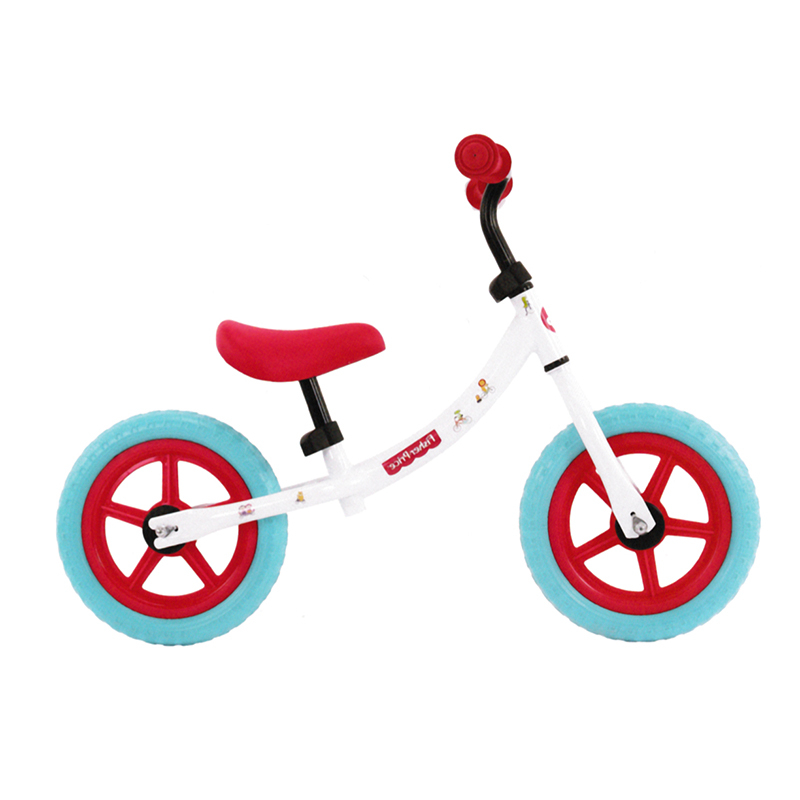
Understanding the anatomy of a balance bike helps parents appreciate its design and functionality. These bikes are crafted to support young riders in developing their balance and coordination skills. Let’s break down the key components and design features that make balance bikes unique.
A balance bike consists of several essential parts, each contributing to its overall performance:
● Frame Materials:
○ Balance bikes often use lightweight materials like wood or metal.
○ Wood offers a classic look and is sturdy, while metal frames are generally more durable.
● Wheels and Tires:
○ Most balance bikes feature EVA foaming tires.
○ These tires are puncture-proof and provide excellent shock absorption, making rides smoother on various surfaces.
● Seat Height and Adjustability:
○ Adjustable seat height is crucial for comfort and safety.
○ This allows the bike to grow with your child, ensuring they can easily reach the ground.
Here’s a quick overview of these components:
Component | Description |
Frame Materials | Typically wood or lightweight metal |
Wheels | EVA foaming tires for durability and comfort |
Seat Adjustability | Allows for growth and proper fit |
Balance bikes are designed with specific features to enhance usability:
● Lightweight Frame:
○ The lightweight design makes it easy for children to maneuver.
○ They can pick it up and control it without much effort.
● Low Center of Gravity:
○ This feature provides stability, helping kids feel secure as they learn to balance.
○ A lower center of gravity reduces the chances of tipping over.
● No Pedals, Chains, or Gears:
○ The absence of these components simplifies the riding experience.
○ Kids can focus on balancing rather than worrying about pedaling.
When considering balance bikes, the Yakuo Balance Bike stands out with its thoughtful design. Here are two popular models:
● Lightweight Kids Balance Bike:
○ This model is perfect for younger children.
○ It features a durable frame and adjustable seat, making it ideal for little riders learning to balance.
● Shockproof Balance Bike:
○ Designed for more adventurous kids, this model includes enhanced shock absorption.
○ It’s perfect for riding on uneven surfaces, ensuring a comfortable experience.
Both models exemplify how Yakuo combines quality materials and thoughtful design to create a balance bike that supports children in their early riding journey. By choosing the right balance bike, parents can foster a love for biking while ensuring safety and comfort.
Understanding how a balance bike operates is essential for parents looking to help their children learn to ride. Unlike traditional bicycles, balance bikes focus on teaching kids the fundamental skills of balance and coordination without the complexity of pedals.
Balance bikes operate on simple principles:
● No Pedals:
○ The absence of pedals allows children to focus solely on balancing.
○ They can walk, scoot, and glide without worrying about pedaling.
● Body Weight and Movement:
○ Kids use their body weight to shift and maintain balance.
○ Leaning forward or backward helps them control their movement and direction.
Learning to ride a balance bike involves several stages:
1. Walking Stage:
● Initially, kids get familiar with the bike.
● They practice walking while holding onto the handlebars, which builds confidence.
2. Scooting Stage:
● Once comfortable, children start pushing off the ground with their feet.
● This scooting motion helps them gain momentum and understand how to move.
3. Gliding Stage:
● As they become more confident, kids lift their feet off the ground.
● This gliding phase is crucial for developing balance, as they learn to stay upright without support.
Here’s a visual representation of the stages:
Stage | Description |
Walking Stage | Familiarizing with the bike |
Scooting Stage | Pushing off the ground to gain momentum |
Gliding Stage | Lifting feet off the ground to balance |
Steering is an important part of riding a balance bike. Here’s how it works:
● Leaning to Steer:
○ Kids learn to lean their bodies in the direction they want to turn.
○ This instinctive action helps them navigate corners and obstacles.
● Developing a Sense of Balance:
○ Balance bikes encourage children to find their center of gravity.
○ This skill is essential for transitioning to traditional bicycles later on.
Yakuo Balance Bikes are designed to optimize this learning process. Their lightweight frames and low center of gravity make it easier for young riders to practice leaning and steering. With features like adjustable seats, Yakuo ensures that kids can comfortably learn at their own pace.
By focusing on these fundamental skills, balance bikes provide a solid foundation for future biking adventures. They make the learning process enjoyable and safe, setting kids up for success as they progress to pedal bikes.

Using a balance bike offers numerous advantages for young riders. From enhancing essential skills to promoting safety, these bikes are a fantastic choice for children learning to ride. Let’s explore the key benefits that make balance bikes a preferred option for parents.
Balance bikes play a significant role in a child's development:
● Enhances Balance and Coordination Skills:
○ Riding a balance bike teaches kids how to maintain their balance.
○ As they scoot and glide, they develop coordination between their hands and feet.
● Builds Confidence in Young Riders:
○ Successfully balancing and steering boosts a child’s self-esteem.
○ This confidence can carry over into other activities, fostering a sense of achievement.
Safety is a top priority for parents, and balance bikes excel in this area:
● Comparison with Training Wheels and Traditional Bikes:
○ Unlike training wheels, balance bikes help kids learn balance naturally.
○ Traditional bikes can be intimidating, often leading to falls and injuries.
● Reduced Risk of Falls and Injuries:
○ Balance bikes allow children to keep their feet close to the ground.
○ This design minimizes the risk of falls, making it safer for beginners.
Here’s a quick comparison of safety features:
Feature | Balance Bike | Training Wheels | Traditional Bicycle |
Learning to Balance | Yes | No | Limited |
Fall Risk | Low | Moderate | High |
Foot Position | Feet on ground | Feet off ground | Feet off ground |
Balance bikes are not just practical; they are also enjoyable:
● Encouraging Outdoor Activity and Physical Exercise:
○ Riding a balance bike promotes physical fitness.
○ Kids are more likely to spend time outdoors, engaging in active play.
● Positive Experiences Leading to a Love for Biking:
○ The fun of riding helps children develop a passion for cycling.
○ Early positive experiences can lead to a lifelong love of biking.
Yakuo Balance Bikes exemplify this fun experience. Their comfortable design and vibrant colors make riding enjoyable. Kids find joy in exploring their surroundings while learning essential biking skills. The lightweight frame and ergonomic features ensure a pleasant ride, allowing children to focus on having fun.
Incorporating a balance bike into a child’s playtime not only builds skills but also fosters a love for outdoor adventures. With the right balance bike, like those from Yakuo, kids can embark on their biking journey with excitement and confidence.
A: Children can start riding a balance bike as early as 18 months, with the ideal age range being 18 months to 6 years.
A: Balance bikes teach balance naturally without training wheels, reducing the risk of falls and allowing for a smoother transition to pedal bikes.
A: Yes, children typically transition easily to pedal bikes after mastering balance and coordination on a balance bike.
A: Ideal features include a lightweight frame, adjustable seat height, and no pedals, allowing kids to focus on balance.
A: Yakuo Balance Bikes are known for their quality construction, ergonomic design, and positive user reviews, making them a trusted choice for parents.
Balance bikes offer numerous benefits, enhancing balance and coordination skills. They build confidence in young riders while ensuring safety.
Parents should consider balance bikes as a great first step in their child's biking journey.
Explore various models, including Yakuo Balance Bikes, to find the perfect fit for your child.


