


Jumping an MTB bike is one of the most exciting skills you can learn as a mountain biker. It’s not just about catching air—it’s about navigating obstacles, improving control, and boosting confidence on the trails. Whether you're a beginner or looking to refine your technique, mastering this skill opens up a whole new world of trail-riding possibilities.
In this post, you’ll learn everything from the basics of MTB bike jumping to advanced tips for tackling bigger jumps. With step-by-step guidance and safety tips, you’ll gain the confidence to jump like a pro while staying safe. Ready to take your riding to the next level? Let’s get started!
When it comes to MTB bike jumping, preparation is everything. From choosing the right bike to ensuring your gear and setup are on point, every detail matters. Let’s break it down step by step.
The foundation of a successful jump starts with the right MTB bike. Here’s what to look for:
Sturdy Frame: Your bike needs to handle the impact of jumps. Look for frames made of durable materials like aluminum or magnesium alloy. These materials balance strength and weight, making them perfect for jumping.
Reliable Suspension System: A good suspension absorbs impact and ensures smooth landings. Hydraulic lockout forks are a great choice for their versatility and control.
Platform Pedals: If you’re new to jumping, platform pedals are a must. They allow you to quickly bail if needed, giving you the confidence to practice safely.
Adjustable Saddle Height: Lowering your saddle gives you more freedom to move your body, which is crucial for balance and control during jumps.
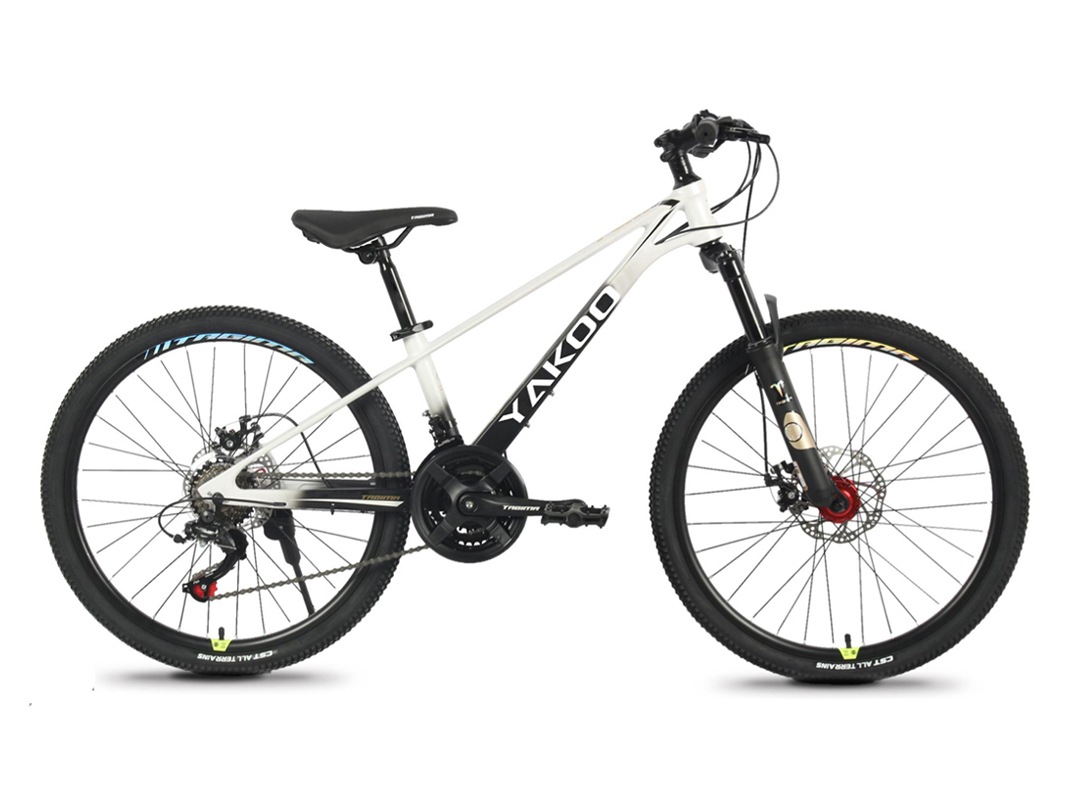
Tianjin Yakuo offers high-performance MTB bikes designed for jumping. Models like the YKB-M02 and YKB-M01 feature lightweight aluminum frames and lockable suspension systems, making them ideal for beginners and advanced riders alike. With competitive pricing and customization options, these bikes are built to handle the demands of trail riding and jumping.
Safety is non-negotiable when it comes to MTB bike jumping. Equip yourself with the right gear to protect against falls and impacts:
Helmet: A full-face helmet is highly recommended for maximum protection during jumps and high-impact landings.
Protective Gear: Invest in quality knee pads, elbow pads, and gloves. These will protect you from scrapes and bruises in case of a fall.
Clothing: Wear breathable, durable clothing that allows free movement while keeping you comfortable.
Optional Gear: For added safety, consider using a dropper seatpost for quick saddle adjustments and body armor for extra protection.
Before hitting the trails, a quick inspection can make all the difference:
Pre-Ride Checklist |
Why It’s Important |
|---|---|
Tire Pressure |
Slightly increasing PSI improves speed and prevents tire deformation during jumps. |
Brakes |
Ensure they’re responsive to maintain control during takeoff and landing. |
Suspension Settings |
Stiffen suspension and slow rebound for better control and to avoid being “bucked.” |
Bolts and Spokes |
Tighten these to prevent mechanical failures mid-ride. |
Taking a few minutes for these checks ensures your bike is ready to handle the demands of jumping.
Proper bike setup is key to executing smooth and controlled jumps. Here’s how to get your bike jump-ready:
Lower Your Saddle: A lower saddle gives you more room to move your body, helping you maintain balance during jumps and landings.
Adjust Suspension: Stiffen your suspension slightly for more "pop" off the lip of the jump. Slowing the rebound can also prevent the bike from kicking forward as you take off.
Handlebar Setup: Ensure your handlebar width matches your shoulder width for better control. Secure the grips to avoid slipping during jumps.
Preparing your MTB bike for jumping isn’t just about performance; it’s about safety and confidence. With the right setup, you’ll be ready to tackle jumps with ease. Tianjin Yakuo’s MTB bikes are designed to support these adjustments, ensuring you have the best experience on the trail.
Jumping is an art, and every detail counts. With the right bike, gear, and setup, you're one step closer to mastering it.
Jumping an MTB bike may seem intimidating at first, but breaking it down into clear steps makes it easier to master. Follow this guide to build your skills and confidence.
Preparation is key to successful MTB bike jumping. Start by assessing your skill level and practicing essential techniques.
Assess Your Skill Level: Are you ready to jump? Start small with low obstacles and gradually increase height as you gain confidence. If you’re new, focus on basic bike handling first.
Practice Foundational Skills:
Manual: Learn to lift the front wheel by shifting your weight back and pushing forward with your arms. Manuals help you understand bike balance.
Bunny Hop: Master lifting both wheels simultaneously. Push down into the pedals, then spring upward while pulling the bike with your legs.
Scout the Trail: Walk the trail before jumping. Identify the type of jump, the lip, and the landing zone. Avoid surprises by ensuring the area is clear of obstacles.
Visualization: Picture yourself approaching, jumping, and landing successfully. Mental rehearsal builds confidence and sharpens your focus.
A controlled and steady approach sets the foundation for a successful jump. Focus on your positioning, speed, and sightline.
Positioning: Stand tall on the pedals. Keep your knees and elbows slightly bent, and center your weight over the bike.
Speed: Maintain a consistent pace that feels comfortable. Avoid sudden accelerations or braking before the jump.
Focus: Keep your eyes locked on the jump’s lip and your landing spot. Looking ahead helps you stay balanced and prepared.
The takeoff is where the magic happens. It’s all about timing and technique.
Preload: As you approach the jump, push your weight down into the bike. This stores energy in the suspension, giving you the “pop” needed for lift.
Pop: Explosively extend your arms and legs as the bike reaches the jump’s lip. This movement launches you into the air.
Timing: The rear wheel must leave the ground at the right moment. If you’re too early or late, you’ll lose balance and control.
Once airborne, staying calm and balanced is critical to a smooth landing.
Relax: Don’t tense up—keep your body loose. Stiffness can throw off your balance and lead to rough landings.
Balance: Adjust your weight to keep the bike level. Shift slightly forward or backward if needed to stabilize.
Look Ahead: Focus on the landing zone rather than looking down. This helps you prepare for what comes next and keeps you on track.
A controlled landing is essential for maintaining momentum and avoiding crashes. Here’s how to land safely:
Aim: Try to land both wheels simultaneously or slightly front-wheel-first. This provides stability and prevents jarring impacts.
Absorb Impact: Use your knees and elbows as shock absorbers. Bend them upon landing to soak up the energy and stay balanced.
Forward Momentum: Keep moving forward after landing. This helps you maintain control and transition smoothly to the next section of the trail.
Repetition is the secret to mastering jumps. Start small, refine your technique, and gradually progress to bigger jumps. With consistent practice and the right MTB bike, like Tianjin Yakuo’s YKB-M02, you’ll be jumping with confidence in no time.
Learning to jump an MTB bike is a journey that starts small and grows with practice. Whether you're a beginner, intermediate rider, or chasing advanced techniques, here’s how to progress your skills step by step.
When starting out, focus on simple jumps and basic skills to build confidence and control.
Start Small: Begin with low-consequence jumps like curbs or small fly-offs. These are perfect for understanding how your MTB bike reacts during jumps.
Practice Manuals and Bunny Hops:
Manuals: Lift your front wheel by shifting your weight backward. It’s a great way to master balance and prepare for jumps.
Bunny Hops: Learn to lift both wheels off the ground by compressing your bike and springing upward. This skill is essential for clearing obstacles.
Gradually Increase Speed and Height: As you get comfortable, start riding faster and tackling slightly bigger jumps. This step-by-step approach minimizes risks while improving your technique.
Once you’ve mastered the basics, it’s time to take your jumping skills to the next level.
Master Tabletop Jumps: These are ideal for progression as they offer a flat landing area. Focus on controlling your bike’s trajectory and landing both wheels evenly.
Control Trajectory and Bike Angle: Learn to adjust your body weight mid-air. Push your handlebars forward to level the bike and keep it stable.
Practice on Technical Terrain: Begin incorporating jumps into trails with uneven surfaces, roots, or rocks. This will help you adapt to real-world riding conditions.
For experienced riders, advanced jumps require precision and adaptability. These techniques are for those ready to push their limits.
Tackle Gap Jumps and Steep Kickers: Gap jumps require speed and confidence to clear the distance. Steep kickers demand precise timing and controlled takeoffs to avoid nosedives.
Adjust Speed and Landing Angles: Fine-tune your approach speed and body position to match the jump’s shape and landing slope. This ensures smoother landings and reduces impact.
Combine Jumps with Trail Features:
Berms: Use the momentum from cornering to build speed for jumps.
Rollers: Pump through rollers to gain height and control before hitting the jump.
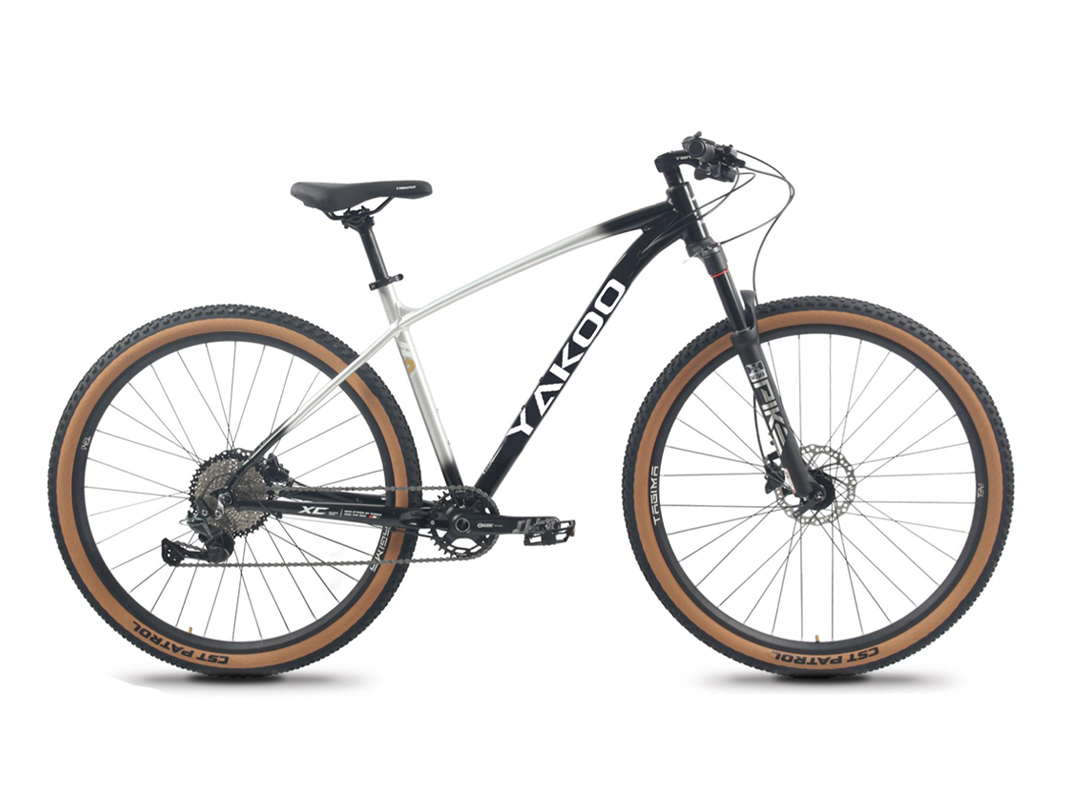
Your bike plays a huge role in your progression. Models like Tianjin Yakuo’s YKB-M02 offer lightweight aluminum frames and reliable suspension systems, making them perfect for riders advancing their jumping skills. A sturdy MTB bike ensures stability and control, giving you the confidence to tackle bigger challenges.
Fine-tuning your MTB bike is essential for safe and smooth jumps. From adjusting suspension to choosing the right pedals, here’s how to optimize your setup.
Your suspension directly impacts how your MTB bike handles jumps. Adjusting it properly can make a huge difference.
Stiffen Suspension for More Pop: Increase the firmness of your suspension by adding air pressure or adjusting the compression settings. A stiffer suspension gives your bike more rebound energy for a powerful takeoff.
Adjust Rebound to Prevent Bucking: If your bike feels unstable when landing, slow the rebound speed. This prevents the rear shock from kicking forward and keeps your bike steady after jumps.
Suspension Adjustment Tips |
Impact on Jump Performance |
|---|---|
Increase Compression |
Boosts energy transfer for a stronger takeoff. |
Slow Rebound |
Stabilizes the bike during landings and prevents sudden movements. |
Check Manufacturer Recommendations |
Ensure settings match your bike’s design and weight specifications. |
Tire pressure plays a critical role in jump performance. It affects speed, stability, and how your bike handles landings.
Increase PSI for Speed and Stability: Slightly higher tire pressure reduces rolling resistance, helping you maintain better speed when approaching jumps.
Prevent Tire Roll During Landings: Underinflated tires may deform during impact, causing instability. Increasing PSI provides a firmer base for smoother landings.
Rider Weight |
Recommended PSI |
|---|---|
Light (<70kg) |
25-30 PSI |
Medium (70-90kg) |
30-35 PSI |
Heavy (>90kg) |
35-40 PSI |
Adjust PSI based on terrain type. Softer trails may benefit from slightly lower pressure for grip.
The type of pedals you use influences your ability to control the bike during jumps. Choosing the right pedals is especially important for beginners.
Platform Pedals: Ideal for riders new to jumping, platform pedals allow you to quickly bail if needed. They’re also great for practicing bunny hops and manuals since they don’t lock your feet in place.
Clipless Pedals: These provide more control by securing your feet to the bike. However, they require advanced skills and should only be used once you’re confident in your jumping ability.
Pedal Type |
Advantages |
Disadvantages |
|---|---|---|
Platform Pedals |
Easy to bail; beginner-friendly. |
Less efficient for pedaling uphill. |
Clipless Pedals |
Better bike control during jumps. |
Harder to bail; requires more skill. |
Choosing a bike that supports adjustments is crucial for jumping. Models like Tianjin Yakuo’s YKB-M02 offer customizable suspension and durable alloy frames, ensuring stability and performance. These features make them a reliable choice for riders looking to perfect their jumps.
A: Yes, you can jump with a hardtail MTB bike, but it requires more skill to manage landings without rear suspension. Full-suspension bikes are better for absorbing impact and providing smoother landings, making them ideal for beginners or more advanced jumps.
A: It depends on your current skill level and practice frequency. Beginners can start with small jumps and master basics like manuals and bunny hops within a few weeks. Progressing to intermediate and advanced jumps may take several months of consistent practice.
A: Tabletop jumps and small fly-offs are the safest for beginners. Tabletop jumps have a flat top, reducing the risk of injury from missed landings. Fly-offs, like curbs or small ramps, are also great for building confidence.
A: Yes, essential gear includes a helmet, knee and elbow pads, and gloves. Optional upgrades like dropper seatposts, body armor, and platform pedals are recommended for added safety and control. A sturdy MTB bike with adjustable suspension is also ideal for jumping.
Mastering MTB bike jumping starts with small steps. Focus on preparation, practice foundational skills, and progress gradually. Enjoy the journey as you build confidence and tackle bigger jumps. Remember, the right gear and bike make all the difference. Explore Tianjin Yakuo MTB bikes, designed for both beginners and advanced riders, to elevate your trail-riding experience.


