


Are you ready to conquer the trails? Mountain biking, or MTB, offers thrilling adventures for outdoor enthusiasts.
But what exactly is an MTB bike? This article will define mountain bikes and explore their fascinating history.
You'll discover why choosing an MTB bike can enhance your riding experience. We’ll also cover the benefits of mountain biking and the various terrains perfect for your next adventure.
When it comes to MTB bikes, several features set them apart from regular bicycles. Let’s break down the key aspects that make these bikes ideal for off-road adventures.
The frame is the backbone of any bike, and MTB bikes are no exception. Here are some important elements:
Materials Used:
Aluminum: Lightweight and affordable, making it a popular choice for many riders.
Carbon Fiber: Offers high strength-to-weight ratio. It’s more expensive but provides excellent performance.
Steel: Known for its durability and shock absorption. Great for rugged terrains.
Importance of Frame Geometry: The geometry of an MTB frame affects handling and comfort. A well-designed frame allows for better stability on rough trails. It influences how the bike performs during climbs and descents.
Suspension is crucial for absorbing shocks and maintaining control. MTB bikes typically come in two types:
Hardtail:
Features front suspension only.
Lighter and more efficient for climbing.
Ideal for smoother trails.
Full-Suspension:
Offers both front and rear suspension.
Provides enhanced comfort and control on rough terrain.
Example: Trek's range of full-suspension bikes is designed to tackle challenging trails while keeping you comfortable.
Type | Advantages | Best For |
Hardtail | Lighter, more efficient | Smooth and less technical trails |
Full-Suspension | Better shock absorption, comfort | Technical descents and rough trails |
MTB tires are designed to handle various terrains. Here’s what to consider:
Characteristics of MTB Tires:
Width: Wider tires provide better traction and stability.
Tread Patterns: Aggressive treads grip loose surfaces, helping you maintain control.
Importance of Tire Size: The size of your tires can significantly impact performance. Wider tires offer more contact with the ground, enhancing grip on uneven surfaces. This is particularly useful when navigating rocky paths or muddy trails.
Braking systems are vital for safety and control on downhill rides. MTB bikes commonly use:
Disc Brakes:
Provide strong stopping power, especially in wet conditions.
Hydraulic vs. Mechanical: Hydraulic brakes offer better modulation and power, while mechanical brakes are easier to maintain.
Benefits of Disc Brakes: They perform consistently, regardless of weather conditions. This reliability is essential when riding on unpredictable terrains.
The gearing system on an MTB bike plays a crucial role in performance:
Overview of Gear Systems: Most MTB bikes feature a wide range of gears. This allows riders to tackle steep climbs and fast descents without losing momentum.
Importance of Gear Range: A broader gear range helps maintain cadence and power, whether you're going uphill or speeding downhill. It ensures that you can adapt to various trail conditions easily.
In summary, understanding these key features will help you choose the right MTB bike for your needs. Each aspect contributes to the overall performance and enjoyment of mountain biking, making it an exciting sport for all enthusiasts.
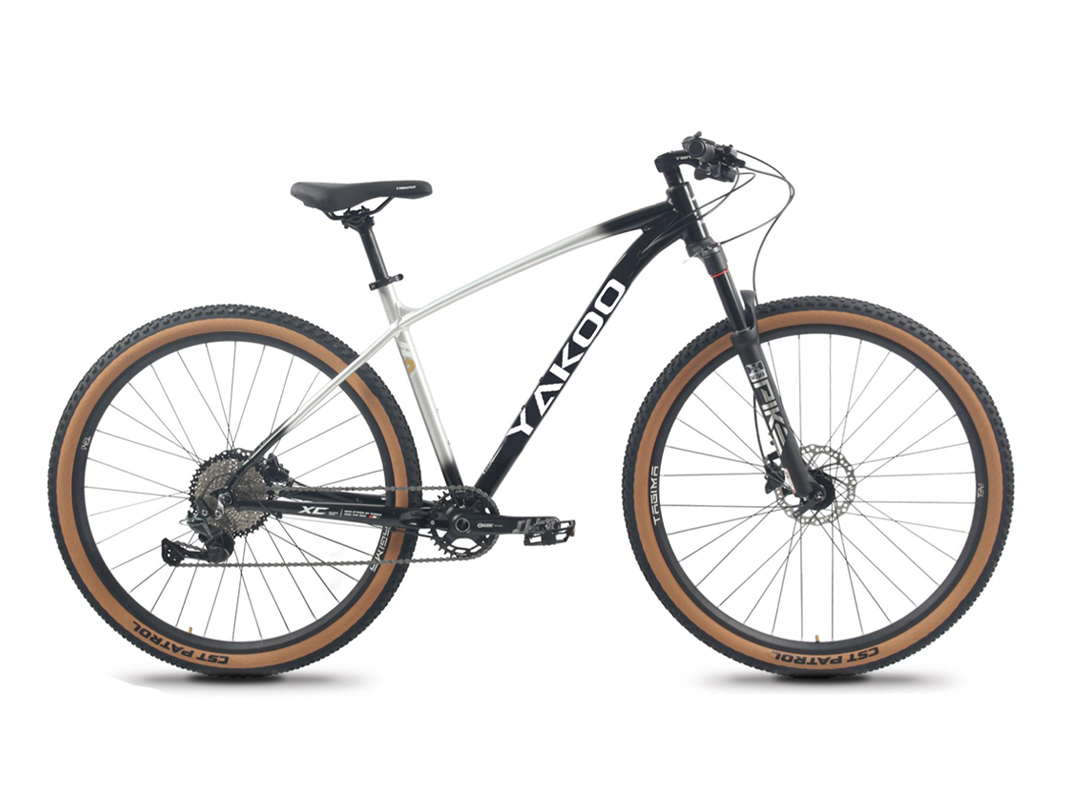
When exploring the world of mountain biking, understanding the different types of MTB bikes is essential. Each type serves a unique purpose and is designed for specific terrains. Here’s a breakdown of the major categories:
Cross-country bikes are all about speed and efficiency. They are lightweight and built for endurance.
Features and Intended Use:
Designed for climbing and long-distance rides.
Typically feature a rigid frame and narrow tires.
Ideal Terrains for XC Biking:
Smooth trails and fire roads.
Perfect for races and fitness rides.
XC bikes are often the choice for competitive riders. They excel in events like the Olympics, where speed is crucial.
Trail bikes are the versatile workhorses of mountain biking. They combine the best features of XC and downhill bikes.
Versatility and Design Features:
Equipped with wider tires and a more relaxed geometry.
Feature moderate suspension travel (120-150mm) for comfort.
Best Practices for Trail Riding:
Maintain a balanced posture to tackle various terrains.
Use proper braking techniques to navigate downhill sections safely.
These bikes are perfect for those who want to explore diverse trails without sacrificing comfort.
Enduro bikes are designed for the thrill-seeker. They focus on handling technical descents while still being capable climbers.
Focus on Technical Descents and Climbing:
Heavier than XC bikes, providing stability on rough terrain.
Typically feature longer suspension travel (150-180mm).
Comparison with Other Types:
Unlike XC bikes, enduro bikes prioritize downhill performance.
They offer more control on steep descents.
Enduro bikes are ideal for riders who love challenges and seek adventure on rugged trails.
Downhill bikes are built for one purpose: speed on steep descents. They are heavy-duty and packed with features.
Specialized Features for Downhill Racing:
Strong frames and heavy suspension (180-210mm) to absorb shocks.
Designed for stability at high speeds.
Safety Gear and Considerations:
Riders should wear full-face helmets and protective gear.
Proper maintenance is crucial for safety and performance.
Downhill bikes are perfect for those who enjoy racing down mountains and navigating technical courses.
Fat bikes are unique in their design, featuring oversized tires that excel in challenging conditions.
Unique Features for Riding on Sand and Snow:
Tires typically measure 3.8 inches or wider, providing excellent traction.
Lower tire pressure increases surface contact for better grip.
Benefits of Fat Tires:
Enhanced stability on loose surfaces like sand and snow.
Ideal for winter riding and adventure in diverse environments.
Tianjin Yakuo offers a range of high-quality MTB bikes, including models designed specifically for trail and enduro riding. Their commitment to durability and performance makes them a great choice for enthusiasts looking to tackle various terrains.
Type | Key Features | Best For |
Cross-Country (XC) | Lightweight, narrow tires | Smooth trails, racing |
Trail Bikes | Versatile, moderate suspension | Diverse trails, all-day rides |
Enduro/All-Mountain | Longer suspension, stability | Technical descents, climbing |
Downhill Bikes | Heavy-duty, designed for speed | Steep descents, racing |
Fat Bikes | Oversized tires, low pressure | Sand, snow, and loose surfaces |
Understanding these types of MTB bikes helps you choose the right one for your adventures. Each bike has its strengths, catering to different riding styles and environments. Whether you're racing, exploring trails, or tackling rough terrains, there's an MTB bike designed for you.
Selecting the right MTB bike can feel overwhelming, but it doesn’t have to be. By considering your riding style, terrain, budget, and fit, you can make an informed decision that enhances your biking experience.
Understanding your riding style is crucial. Different styles require specific bike features. Here’s what to consider:
Different Riding Styles and Their Requirements:
Cross-Country (XC): Focus on speed and efficiency; lightweight bikes are key.
Trail Riding: Versatile bikes that handle various terrains well.
Enduro and Downhill: Bikes designed for steep descents and technical trails; they need robust suspension.
How to Match Bike Type to Riding Preferences: Think about where you ride most often. Do you prefer smooth trails or technical descents? Matching your bike type to your riding preferences ensures a better experience.
The type of terrain you’ll be riding on greatly influences your choice of bike.
Evaluating Local Trails and Conditions:
Identify the types of trails in your area—are they rocky, muddy, or smooth?
Understanding local conditions can help you choose a bike with the right features.
Importance of Testing Bikes on Different Terrains: Always test ride before you buy. This helps you see how the bike performs on various surfaces. A bike that feels great on smooth trails may not handle rocky paths as well.
Budget is always a consideration when purchasing an MTB bike.
Price Ranges for Different Types of MTBs:
Entry-level bikes: $500 - $1,000
Mid-range bikes: $1,000 - $2,500
High-end bikes: $2,500 and above
Factors That Influence MTB Pricing:
Materials (e.g., aluminum vs. carbon fiber).
Suspension type (hardtail vs. full-suspension).
Brand reputation and technology features.
Choosing the right size is essential for comfort and performance.
Importance of Proper Sizing: A well-fitted bike enhances control and reduces fatigue. Riding a bike that’s too big or small can lead to discomfort and injuries.
How to Measure for the Right Fit:
Stand over the bike frame; there should be 1-2 inches of clearance.
Adjust the seat height so that your leg has a slight bend at the bottom of the pedal stroke.
Test the reach to the handlebars; you should feel comfortable without stretching too far.
Size Category | Rider Height (inches) | Frame Size (inches) |
Small | 5'0" - 5'4" | 13" - 15" |
Medium | 5'5" - 5'9" | 15" - 17" |
Large | 5'10" - 6'1" | 17" - 19" |
X-Large | 6'2" and above | 19" - 21" |
When considering brands, Tianjin Yakuo offers a range of MTB bikes that cater to different riding styles and budgets. Their focus on quality and performance ensures you’ll find a suitable option for your needs.
By carefully assessing your riding style, terrain, budget, and fit, you can confidently choose an MTB bike that enhances your riding experience. Whether you’re a beginner or a seasoned rider, the right bike makes all the difference.

Taking care of your MTB bike is essential for ensuring its longevity and performance. Regular maintenance can prevent major issues and keep your ride smooth. Here’s a guide to help you maintain your bike effectively.
Maintaining your MTB bike doesn’t have to be complicated. Here are some basic tasks every owner should know:
Basic Maintenance Tasks:
Cleaning: After every ride, wipe down the frame and components to remove dirt and mud. Use a gentle soap and water solution for deeper cleaning.
Lubrication: Regularly lubricate the chain, derailleur, and pivot points. This reduces friction and prolongs the life of your bike.
Tire Pressure: Check your tire pressure before each ride. Properly inflated tires enhance performance and safety.
Importance of Keeping the Bike Clean and Lubricated: A clean bike not only looks good but also performs better. Dirt and grime can cause wear on components, leading to costly repairs. Keeping it lubricated ensures smooth shifting and prevents rust.
While regular maintenance is important, there are times when professional servicing is necessary. Knowing when to seek help can save you time and money.
Signs That Indicate the Need for Professional Servicing:
Unusual Noises: If you hear grinding or clicking sounds while riding, it may indicate a problem with the drivetrain or brakes.
Poor Performance: If your bike feels sluggish or unresponsive, it could be time for a tune-up.
Brake Issues: If your brakes are not engaging properly or feel spongy, they may need adjustment or replacement.
Overview of Common Repairs and Tune-Ups: Here’s a quick look at common maintenance tasks that professionals handle:
Service Type | Description | Frequency |
Brake Adjustment | Ensures brakes engage correctly | Every 6 months |
Gear Tune-Up | Adjusts derailleurs for smooth shifting | Every 6 months |
Wheel Truing | Straightens wheels for balanced ride | As needed |
Suspension Service | Maintains fork and shock performance | Annually |
Tianjin Yakuo offers a range of high-quality MTB bikes, and they also provide maintenance services to keep your bike in top shape. Regular servicing from professionals can help identify potential issues before they become major problems.
By following these maintenance tips and knowing when to seek professional help, you can ensure your MTB bike remains reliable and enjoyable to ride. A well-maintained bike not only enhances your performance but also extends the life of your investment.
MTB bikes offer unique features and benefits tailored for various riding styles. From cross-country to downhill, each type serves specific needs.
Regular maintenance is crucial for performance and longevity.
We encourage you to explore the joys of mountain biking. Whether you're a beginner or an experienced rider, there's an MTB bike for you.
Try out an MTB bike today and discover the thrill of the trails!
A: The average weight of an MTB bike ranges from 25 to 30 pounds, depending on the type and materials used.
A: Yes, you can use an MTB bike for road cycling, but it's less efficient than a road bike due to wider tires and heavier frames.
A: Some of the best brands include Trek, Specialized, Giant, and Tianjin Yakuo, known for quality and performance.
A: Practice regularly, take lessons, and ride with experienced bikers to enhance your skills and confidence.


