
Views: 0 Author: Site Editor Publish Time: 2026-02-03 Origin: Site


Riding a balance bike might look straightforward—after all, it has no pedals and seems simple. But when you peel back the layers, you discover an art and science behind how kids learn to ride confidently, parents choose the right model, and communities are redefining early childhood physical development. In this long-form, in-depth guide, I’ll walk you through everything about how to ride a balance bike—from getting started and progressive skills, to the latest trends in training methods, and how balance bikes relate directly to essential developmental goals.
Balance bikes have surged in popularity over the past decade. Rather than beginning with pedals and training wheels, balance bikes start with mastering balance and steering first—arguably the hardest part of traditional bike learning. Recent research and pediatric trends emphasize early motor skills development, and balance bikes fit right into that paradigm. They’re not just toys; they’re developmental tools.
Balance bikes help children:
Develop balance and coordination
Build confidence and spatial awareness
Transition to pedal bikes with less frustration
Enjoy independent exploration
Before we get into the how, let’s explore what a balance bike really does under the surface.
A balance bike is a two-wheeled bike designed for young children (typically ages 18 months to 5 years). It has no pedals, no chain, and often no gears. Instead, children sit on the seat and push themselves forward with their feet, learning balance, weight shifting, and steering intuitively.
| Component | Function |
|---|---|
| Frame | Supports the child’s weight; needs to be lightweight |
| Seat | Adjustable height so feet can touch the ground |
| Handlebars | For steering and balance control |
| Tires | Foam or air inflatable for traction and comfort |
| Brakes (optional) | Introduce braking skills early |
The absence of pedals may seem odd at first, but it’s by design: it strips away complexity, allowing a child to focus on balance—one essential bike-riding skill at a time.
Let’s break down the learning process into progressive steps. Follow these stages to teach a child—or learn yourself if you’re trying it for the first time.
Make sure the balance bike is sized correctly. A good rule:
With feet flat on the ground, the child’s knees are slightly bent.
Seat should allow reach to ground confidently.
This sets the foundation for successful balance and comfort.
Let the child walk beside or hold the bike while standing. This helps familiarize with its feel.
Start with:
Flat, smooth surfaces (sidewalks or driveways)
Minimal distractions
Comfortable shoes
Encourage children to walk while sitting, feet pushing off. Many skip the “training wheels-style” walk and go straight to this intuitive movement.
When the child is comfortable walking the bike:
Increase pace so feet come off the ground briefly.
Celebrate short glides.
Gradually, glides will become longer.
This stage is essential: children start to balance without thinking about it consciously.
Once gliding becomes consistent:
Teach gentle leaned turns
Encourage looking ahead (not down)
Practice figure-eight paths to develop steering prowess
If the balance bike has a hand brake:
Introduce it once balance is mastered
Practice slowing and stopping
This transitions well to pedal bikes with hand braking
Learning to ride a balance bike is generally smoother than traditional bikes, but challenges can appear.
Some kids hesitate to glide:
Try shorter practice bursts
Stay low and encourage confidence
Model riding if possible
Falls are natural, but safety gear helps:
Helmet
Knee/elbow pads (optional)
Supportive shoes
Positive reinforcement matters. Kids who feel safe learn faster.
Balance bike methodology continues evolving. Here are recent trends worth noting:
Manufacturers are creating balance bikes for:
Lower limb differences
Adapted needs
Wider wheelbase for stability
This expands access, making sure kids of all abilities can benefit.
Some parents introduce balance bikes to toddlers as young as 18 months. The trend encourages natural movement and body awareness, similar to free-play in early childhood education.
Local communities and schools have started balance bike sessions, focusing on:
Peer learning
Encouraging outdoor play
Structured skill progressions
This mirrors wider societal trends promoting childhood physical activity in a world where screen time dominates.
Apps and videos now offer step-by-step guidance for parents and caregivers, merging technology with outdoor physical activity.
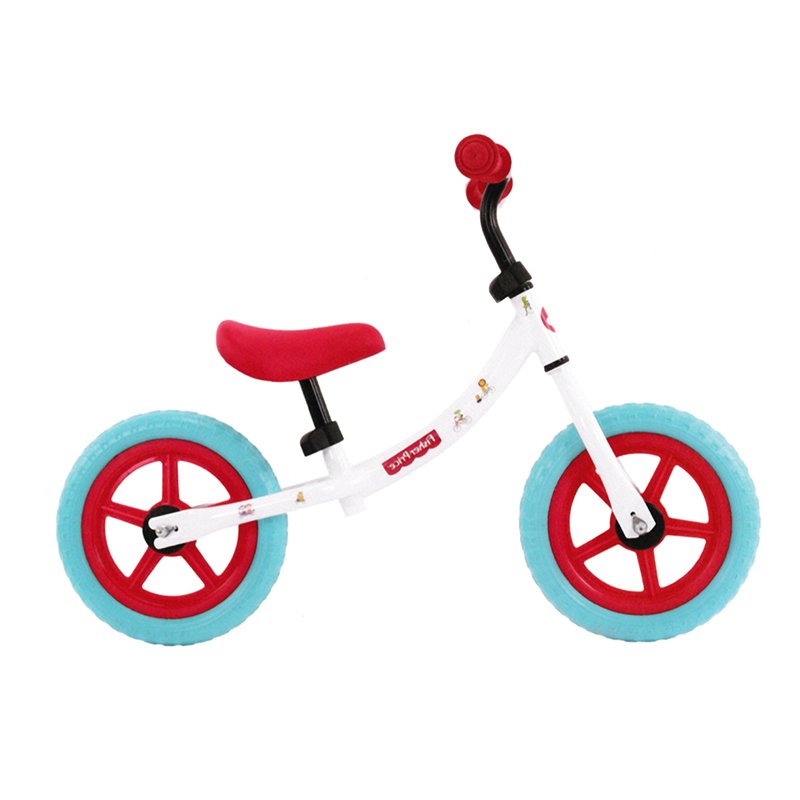
There’s no shortage of choices for early bike learning. Let’s compare:
| Feature | Balance Bike | Training Wheels |
|---|---|---|
| Emphasis | Balance first | Pedaling first |
| Transition to pedal bike | Easier | Often harder |
| Confidence building | High | Moderate |
| Real balance skill | Yes | Limited |
Balance bikes help children internalize balance. Training wheels keep the bike upright artificially, which means kids often struggle when they’re removed.
Kids learn best when they’re having fun.
Avoid crowded or uneven areas initially.
Pressure slows progress. Patience speeds it up.
Even a few seconds of glide is progress!
Social motivation increases engagement and practice time.
While balance bikes are generally safe, proactive measures help:
Helmets: A must.
Surface choice: Smooth concrete or pavement.
Supervision: Especially for beginners.
Appropriate footwear: Closed toes, good grip.
Weather conditions: Wet surfaces can be slippery.
Balance bikes aren’t just bikes. They influence developmental domains:
Fine and gross motor skills grow through repetition and engagement.
Planning movement, assessing speed, and judging space all contribute to executive functions.
Children learn agency through trial, success, and minimal frustration.
Group rides or sibling modeling builds social engagement.
Let’s wrap up the key steps into one consolidated list:
Ensure proper fit
Start walking the bike
Encourage balanced gliding
Practice smooth steering
Introduce braking (optional)
Celebrate progress
Transition to pedal bike confidently
By following this progression, riders not only learn how to ride a balance bike—they build lifelong physical confidence.
Most children start between 18 months and 3 years, but readiness depends more on size and confidence than age alone.
Many models don’t, but some include hand brakes to teach controlled stopping before transitioning to a pedal bike.
For most kids, yes. Balance bikes focus on balance—training wheels often delay this crucial skill.
It varies, but many children can glide confidently within a few weeks to a couple of months of regular practice.
Yes, as long as the bike fits. Some models fit children up to 5 years or taller, making them versatile and long-lasting.


