


Are you ready to watch your child ride confidently? Balance bikes are the perfect tool for teaching kids essential riding skills.
These pedal-less bikes help children develop balance and coordination while having fun. Unlike traditional bikes, balance bikes allow young riders to focus solely on mastering their balance.
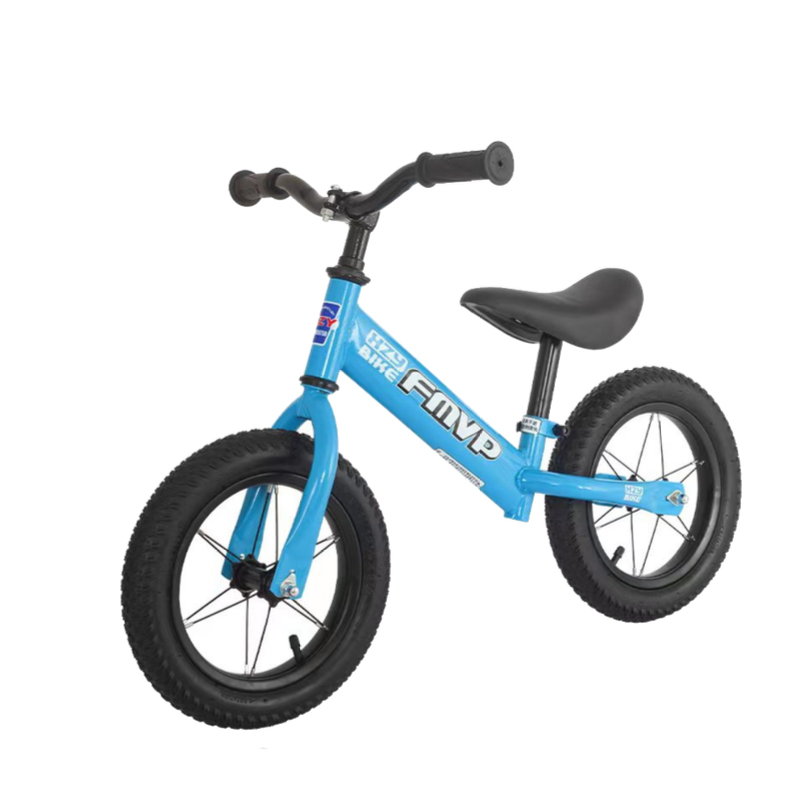
In this post, we’ll explore what a balance bike is, its benefits, and how to use it effectively. You’ll also learn about Yakuo Balance Bikes, designed specifically to help toddlers gain confidence and coordination.
Selecting the right balance bike is crucial fo r ensuring your child's safety and enjoyment while learning to ride. Here are some key factors to consider when making your choice.
Size and Weight of the Bike
The size and weight of the balance bike can significantly impact your child's ability to control it. A lighter bike is easier for young riders to maneuver. When choosing a bike, ensure that:
● The bike is light enough for your child to lift and push.
● They can comfortably reach the ground with both feet while seated.
Material Quality
Durability matters when it comes to balance bikes. Look for high-quality materials that can withstand rough use. Here are some benefits of various materials:
● High-Carbon Steel Frame: Offers strength and longevity, making it ideal for active kids.
● Aluminum Frame: Lightweight and rust-resistant, but may not be as sturdy as steel.
Choosing a bike with a solid frame ensures it lasts through multiple children or years of use.
Tire Types and Their Benefits
Tires play a vital role in the bike's performance. Different types provide various advantages:
● EVA Foaming Tires: These are lightweight and provide excellent shock absorption, making them perfect for uneven surfaces.
● Air Tires: Offer better traction and a smoother ride but require regular inflation.
Consider where your child will ride. If they’ll be on rough terrain, opt for tires that can handle those conditions.
Recommended Age Ranges for Balance Bikes
Balance bikes cater to various age groups. Generally, they are suitable for children aged 2 to 5 years. Here’s a quick breakdown:
Age Group | Recommended Rim Size |
2-3 years | 12 inches |
3-4 years | 14-16 inches |
4-5 years | 18-20 inches |
By selecting the appropriate rim size, you ensure your child can comfortably reach the ground and maintain balance.
Matching Bike Size to Child’s Height
It’s essential to match the bike size to your child’s height for optimal safety and comfort. When adjusting the bike, keep these tips in mind:
● Seat Height: Adjust so that your child can touch the ground with both feet while seated. Their knees should be slightly bent.
● Handlebar Height: Ensure they can grip the handlebars comfortably without straining.
For example, Yakuo offers models with 12, 16, and 20-inch rims to accommodate different heights. This range allows you to choose a bike that grows with your child, providing a better fit over time.
Choosing the right balance bike involves considering size, weight, material quality, and age appropriateness. By focusing on these factors, you’ll set your child up for a successful riding experience.
Getting ready for your child's first ride on a balance bike is an exciting experience. However, safety and comfort should be top priorities. Here’s how to ensure your little one is well-prepared for their biking adventure.
Importance of Helmets and Protective Gear
Safety gear is non-negotiable when it comes to riding a balance bike. A properly fitted helmet can prevent serious head injuries. It’s essential to teach your child the importance of wearing it every time they ride. Here are some key points:
● Helmets: Look for helmets specifically designed for children. They should fit snugly but comfortably.
● Visibility: Choose bright colors or helmets with reflective materials to increase visibility.
Recommendations for Additional Safety Equipment
In addition to helmets, consider these protective gear options:
● Knee Pads: Protect the knees from scrapes during falls.
● Elbow Pads: These help cushion impacts and prevent injuries.
● Wrist Guards: Ideal for protecting wrists during tumbles.
Using the right safety gear can significantly reduce the risk of injury and give both you and your child peace of mind.
How to Properly Adjust the Seat Height
A comfortable riding position is key to helping your child feel confident. The seat should be set so that your child can touch the ground with both feet when seated. Here’s how to adjust it:
1. Check Height: Have your child sit on the bike. Their feet should rest flat on the ground.
2. Adjust Accordingly: Most balance bikes have an adjustable seat. Loosen the clamp, raise or lower the seat, and secure it tightly.
Proper seat height not only helps with balance but also encourages a natural riding posture.
Handlebar Adjustment Tips for Optimal Control
The handlebar height should allow your child to hold it comfortably without stretching. Here are some tips for adjusting the handlebars:
● Positioning: When seated, your child’s elbows should be slightly bent while holding the handlebars.
● Stability: Ensure the handlebars are secured tightly to prevent any wobbling during rides.
Here’s a quick reference table for adjusting bike components:
Component | Adjustment Tips |
Seat Height | Ensure feet touch the ground; knees slightly bent. |
Handlebar Height | Elbows should be slightly bent; comfort is key. |
By taking the time to adjust the bike properly, you help ensure a safe and enjoyable riding experience.
As your child prepares for their first ride, remember that comfort and safety gear are essential. With the right setup, they'll be ready to explore the joy of riding a balance bike.
Getting your child started on a balance bike can be an exciting journey. It’s all about making the experience enjoyable and safe. Here’s a step-by-step guide to help your little one master their Balance Bike.
Encouraging Kids to Walk with the Bike
Before jumping on the seat, let your child walk alongside the balance bike. This helps them understand its weight and how it feels to control it. Here are some tips:
● Walk and Push: Encourage them to push the bike while walking. This builds familiarity.
● Balance Practice: Let them lean the bike side to side to feel how it balances.
Importance of Getting Comfortable with the Bike’s Weight and Balance
Understanding the bike’s weight is crucial. Kids should feel confident lifting and maneuvering it.
● Start Slow: Allow them to explore at their own pace.
● Encourage Play: Make it fun by setting up small obstacles to navigate around.
Techniques for Sitting on the Seat and Pushing Off
Once they are comfortable walking, it’s time to sit. Here’s how to guide them:
● Finding the Right Position: Help them sit on the seat, ensuring their feet can touch the ground.
● Pushing Off: Show them how to push off with one foot while the other remains on the ground.
Importance of Starting Slow and Building Confidence
Starting slow is key to building their confidence. Encourage them to take small scoots before trying to glide.
● Celebrate Small Wins: Praise their efforts, no matter how small, to boost their confidence.
How to Encourage Gliding and Balance
Gliding is an essential skill for riding a balance bike. Here’s how to encourage it:
● Lift Feet: Once they feel comfortable scooting, encourage them to lift their feet off the ground for short distances.
● Focus on Balance: Remind them to look ahead, which helps maintain balance.
Tips for Practicing Gliding on Flat Surfaces
Flat areas are ideal for practicing gliding. Here are some tips:
● Choose Safe Locations: Parks or quiet streets work well.
● Practice Gradually: Start with short glides and gradually increase distance as they gain confidence.
Teaching Steering Techniques
Teaching your child to steer is vital for control. Here’s how to do it:
● Gentle Turns: Encourage them to lean slightly into turns.
● Use Hands: Show them how to use the handlebars effectively for steering.
Safe Stopping Methods Using Feet
Stopping safely is just as important as riding. Teach them these methods:
● Foot Braking: Instruct them to stop by placing their feet down, which is the safest method for a balance bike.
● Practice Stopping: Set up practice sessions where they focus solely on stopping.
Skill | Tips for Mastery |
Gliding | Lift feet; look ahead for balance. |
Steering | Lean into turns; use handlebars. |
Stopping | Use feet to stop; practice regularly. |
By following these steps, your child will be well on their way to mastering their Balance Bike. The key is to keep it fun and engaging, allowing them to build their skills naturally.

Learning to ride a Balance Bike can be a thrilling experience for children, but it also comes with its share of challenges. Addressing these challenges effectively can make the learning process smoother and more enjoyable.
Tips for Parents to Help Children Overcome Fear
It’s common for kids to feel nervous about riding a balance bike. As a parent, your support is crucial in helping them overcome these fears. Here are some strategies:
● Start Small: Begin in a safe, open area where they can explore without obstacles. This reduces anxiety about falling.
● Stay Positive: Use encouraging language. Remind them that it’s okay to feel scared, but they can do it.
Encouragement Strategies During Practice
Building confidence takes time, so consistent encouragement is key. Consider these methods:
● Celebrate Progress: Acknowledge even the smallest achievements, like balancing for a few seconds or taking a short glide.
● Practice Together: Join them in their practice sessions. Your presence can provide reassurance and make it more fun.
Emphasizing Safety and Resilience
Falls are a natural part of learning to ride. It’s important to emphasize safety while also teaching resilience:
● Safety Gear: Ensure your child wears a helmet and protective gear. This not only protects them but also boosts their confidence.
● Normalize Falls: Explain that falling is part of learning. Share stories of how you overcame challenges when you were young.
How to Handle Minor Injuries and Encourage Continued Practice
When scrapes and bumps happen, how you respond can impact your child’s willingness to continue. Here’s how to handle it:
● Stay Calm: If they fall, remain calm and check for injuries. A calm reaction can help them feel safe.
● First Aid: Clean any scrapes and apply bandages if needed. Use this opportunity to teach them about safety.
● Encourage Them to Get Back On: After addressing any injuries, encourage them to try again. Remind them that practice makes perfect.
Challenge | Solution |
Fear of Falling | Start in safe areas; use positive reinforcement. |
Minor Scrapes/Injuries | Emphasize safety gear; teach resilience. |
Nervousness About Riding | Celebrate progress; practice together. |
By addressing these common challenges, you can help your child build confidence and enjoy their time on the Balance Bike. The goal is to create a positive experience that fosters a love for biking and outdoor activities.
Using a Balance Bike offers numerous benefits, including improved balance and coordination.
Parents play a vital role in their child’s learning journey. Patience and support are essential during this process.
We encourage you to share your experiences with balance bikes. Your stories can inspire others on their biking adventures.
A: Children can start using a balance bike as early as 2 years old, typically until around 5 years old.
A: Incorporate games, set up obstacle courses, and ride together to make it enjoyable.
A: Encourage them gently, allow them to explore the bike, and practice in a safe, open area.
A: Yes, balance bikes are safe when used with proper safety gear and supervision.
A: Yakuo Balance Bikes are lightweight, adjustable, and designed for stability, making them ideal for new riders.


