
Views: 0 Author: Site Editor Publish Time: 2026-08-08 Origin: Site


Teaching a child to ride traditionally involves wobbly training wheels, scraped knees, and deep frustration. Parents often spend hours running bent over. They clutch the seat tightly while children battle intense fear. This outdated method severely delays essential motor skill development. Recently, pediatric occupational therapists and cycling educators championed a massive shift. They heavily favor the balance-first methodology. This modern approach isolates fundamental movement skills before introducing complex pedaling mechanics. Successfully teaching a child to ride isn't just about putting them on the saddle. It requires selecting the right hardware carefully. Parents must deeply understand the biomechanical phases of toddler learning. You also need proven strategies to manage behavioral resistance effectively. This journey transforms a stressful milestone into an empowering developmental leap.
Balance over pedaling: Isolating the skill of balance significantly reduces the learning curve for a traditional kids bike.
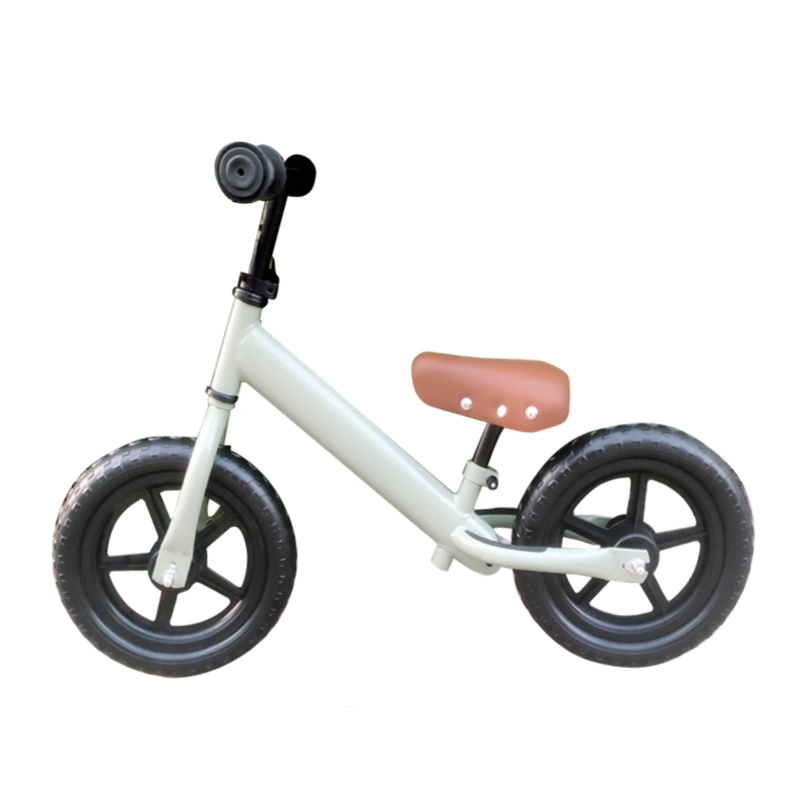
Hardware dictates success: A balance bike must weigh no more than 30% of the child’s body weight and allow flat-footed ground contact.
Child-led pacing: The learning process spans three distinct phases—walking, striding, and gliding—which cannot be rushed.
Zero training wheels needed: Mastering a balance bike typically allows children to bypass training wheels entirely when transitioning to pedals.
Training wheels fundamentally teach a false sense of gravity. They act as rigid crutches. They keep the bicycle upright artificially. Children on training wheels navigate turns incorrectly. They learn to lean away from the curve. This counterintuitive movement prevents them from tipping over. The rigid tripod structure makes this poor technique feel safe. Unfortunately, this teaches flawed physics. Children create a massive unlearning debt later. When parents finally remove the stabilizers, the child feels completely disoriented. They lack the necessary core reactions to stay upright.
Dynamic balance represents the absolute core foundation of two-wheeled cycling. Balance Bikes perfectly isolate this dynamic equilibrium. They also isolate steering control seamlessly. They remove the complicated mechanics of pedaling entirely. Young riders can fully focus their cognitive resources. They learn exactly how body positioning affects stability. They experience the natural tilt of a cornering bicycle safely.
Developmental evidence supports this isolation strategy strongly. Breaking down the complex task of cycling into individual variables works perfectly. It aligns exactly with toddler capabilities. Children between 18 months and 4 years undergo rapid gross motor skill development. Their vestibular systems are maturing quickly. Handling balance first matches their natural developmental timeline accurately. Pedaling requires simultaneous bilateral leg movement. This complex motion often overwhelms a young child's nervous system. Prioritizing equilibrium builds profound neurological confidence first.
Common mistakes often occur when parents rush this progression. You might feel tempted to hold the handlebars. Avoid this completely. Holding the bike prevents the child from feeling natural shifts in gravity. Let them feel the slight wobbles. These micro-corrections build essential muscle memory over time.
Product specifications directly impact learning capabilities. You must evaluate hardware critically. A poor design causes immediate frustration. Proper geometry encourages rapid skill adoption.
The bicycle must be exceptionally lightweight. Children possess limited upper body strength. A heavy frame causes rapid fatigue. If the bike exceeds 30% of their body weight, problems arise. Children will reject the activity outright. They feel deeply intimidated by the bulk. A lightweight frame ensures they can pick it up independently after a fall.
Seat height stands as the most critical evaluation metric. The child must sit comfortably on the saddle. They need a slight bend in their knees. Both feet must remain completely flat on the ground. This posture provides vital security. If only their toes touch the pavement, they will feel extremely unstable. Always measure the child's exact inseam before purchasing. Use a hardcover book pressed gently between their legs against a wall to measure accurately.
Selecting the right tires depends on your primary practice environment. EVA foam tires are entirely puncture-proof. They are also extremely lightweight. They work flawlessly for indoor use or smooth pavement. However, they lack grip on wet grass. Pneumatic air tires are slightly heavier. They provide excellent traction. They also offer crucial suspension for uneven outdoor terrain.
Tire Material Type | Weight Profile | Best Terrain Match | Puncture Risk Level | Maintenance Requirements |
|---|---|---|---|---|
EVA Foam | Ultra-lightweight | Indoors, driveways, smooth asphalt | Zero | Very Low |
Pneumatic (Air) | Moderately heavy | Grass, gravel, dirt trails | Moderate | Regular air pressure checks |
Solid Rubber | Very heavy | Urban sidewalks, playgrounds | Zero | Low |
Brakes present another critical hardware consideration. Handbrakes are generally unnecessary at very early ages. Most toddlers lack the required grip strength. They cannot actuate a brake lever effectively. Their feet act as primary brakes safely until about age three and a half. When choosing a Kids Bike for the eventual pedal transition, these same exact fit principles apply heavily.
A step-by-step rollout prevents overwhelming the child. You must follow their natural pacing exclusively. Pushing them too hard results in immediate behavioral resistance. The learning process spans three distinct phases. They cannot be rushed safely.
Phase 1: The "Stand and Walk" (Acclimation)
The primary goal is basic physical comfort. Children need to feel entirely normal having the frame between their legs. Do not force them to sit immediately. Let them walk the frame around like a simple toy. They might simply stand over the top tube. They will likely walk very slowly initially. Celebrate this initial exposure openly. Consistency matters far more than technique during this first phase. Try walking to the mailbox together. Let them just drag it along casually.
Phase 2: The "Sit and Run" (Weight Transfer)
The main goal shifts to trusting the saddle completely. They must learn the seat will support their body weight. Encourage them to sit fully while walking rapidly. You can use gentle slopes to naturally induce momentum. A very slight grassy incline works perfectly. The gentle downhill pull forces them to rely on the saddle. Their stride will naturally lengthen over time. They begin experiencing the sensation of riding rather than merely walking.
Phase 3: The "Glide" (Achieving Dynamic Balance)
The ultimate goal is lifting both feet off the ground simultaneously. This milestone marks true dynamic balance. Play interactive games to encourage extended moments of independent balance. Try playing "catch the parent." Walk slightly ahead and encourage them to coast toward you. Ask them to "lift feet over the puddle" when rolling over chalk marks. These micro-challenges distract them from the fear of falling. They naturally lift their legs and glide freely.
Experience-led troubleshooting saves hours of intense parental frustration. Setbacks happen frequently during early learning stages. You can resolve most roadblocks with minor environmental or physical adjustments. Pay close attention to their non-verbal cues constantly.
Refusal to Sit on the Saddle: This represents an incredibly common issue. Kids often walk over the frame awkwardly. Check the seat height immediately. If the seat is too high, they cannot sit comfortably. Lower it slightly. Physically tap the saddle before they start moving. Remind them where to sit verbally. Gentle physical cues work much better than loud commands. They are instinctively trying to walk, so they stand up naturally.
Frustration and Abandonment: Children easily drop the handlebars after a minor tip-over. They might declare they are completely finished. Keep training sessions strictly under 15 minutes. Toddlers possess very short attention spans. Stop the activity while they are still having fun. Leaving them wanting more guarantees excitement for the next session. Never force them to continue practicing while crying.
Fear of Speed: As momentum increases, some children panic abruptly. They might drag their feet harshly or freeze. Move your practice area immediately. Thick grass naturally increases rolling resistance significantly. It limits maximum speed safely. It also provides a much softer landing spot. You do not need to intervene physically. The environment naturally controls the pace for them.
Improper Footwear: Wearing open-toed sandals severely hampers progress. They cause toe-dragging injuries and poor grip. Always ensure your child wears sturdy, closed-toe sneakers. Good traction builds climbing confidence quickly.
Knowing exactly when to upgrade prevents developmental regression. Look for specific success criteria carefully. Moving them too early causes a sharp loss of confidence.
The child must demonstrate clear mastery of equilibrium. They can confidently glide for 10 or more seconds continuously. They negotiate sweeping turns without putting a foot down. Their visual focus remains incredibly steady. They look ahead toward their destination. They no longer stare down at their front wheel anxiously. These milestones indicate a fully mature sense of dynamic balance.
When introducing the new pedal-equipped model, ease into the geometry change slowly. Keep the pedals off the new bicycle entirely for the first day. Let them use it exactly like a heavy version of their previous ride. The new frame size will definitely feel different. The steering will respond differently to their inputs. Let them master these new physical dimensions first securely.
Once they feel entirely comfortable with the new geometry, simply attach the pedals. Remind them to look forward constantly. Hold their shoulders lightly, never the handlebars. Their established equilibrium will take over naturally. The transition often takes less than twenty minutes. The pedaling motion clicks into place almost magically.
These early cycling milestones no longer require stress, backaches, or tears. The modern approach turns a historically stressful parenting hurdle into an intuitive, child-led process. You empower them physically and mentally.
First, measure your child's exact inseam precisely. Use a sturdy book between their legs against a wall. Second, compare this specific measurement against minimum seat height specifications. Third, prioritize lightweight frames under 30% of their body weight rigorously.
Finally, exercise deep patience daily. Trust the developmental phases inherently. Let your child set the daily pace. Celebrate the small victories constantly. They will conquer the pavement soon enough.
A: The ideal age generally falls between 18 months and 2 years old. Readiness depends heavily on independent walking stability and minimum inseam requirements. If your toddler walks confidently over uneven terrain, they are physically ready. Ensure the bike’s lowest seat setting matches their exact inseam perfectly.
A: Yes. Tricycles teach basic pedaling mechanics successfully. However, they completely fail to teach dynamic balance. A tricycle's wide wheelbase keeps it upright artificially. Transitioning directly from a trike to a pedal bike still requires learning equilibrium from scratch. The modern two-wheel approach is much more efficient.
A: Taking pedals off is a valid approach for older children. However, standard pedal bikes are often far too heavy for toddlers. They feature a high center of gravity. This bulk makes them exceedingly difficult for small children to maneuver safely. Purpose-built lightweight frames accelerate early learning significantly.
A: The learning timeline varies dramatically. It can take anywhere from a few short days to several months. Progression depends heavily on the child's temperament, physical confidence, and consistency of exposure. Keep practice sessions brief and entirely pressure-free. Let their natural curiosity drive the timeline.


