
Views: 0 Author: Site Editor Publish Time: 2026-02-10 Origin: Site


Teaching a child to ride a balance bike has become one of the most popular and effective ways to introduce cycling skills in recent years. Parents, educators, and even professional coaches now agree that starting with a balance bike builds confidence, coordination, and real riding ability faster than traditional bikes with training wheels. In this in-depth guide, we will explore how to teach balance bike riding step by step, analyze current trends, compare products, and answer common questions so you can help your child master a balance bike safely and happily.
A balance bike removes pedals and focuses on what truly matters first: balance. Unlike training wheels, which can delay the development of real riding skills, a balance bike teaches children to naturally control their body, steering, and posture.
Develops balance and coordination earlier
Builds confidence without fear of falling
Encourages natural steering and posture
Makes the transition to a pedal bike much easier
Suitable for toddlers as young as 18 months
From a learning-curve perspective, data from parenting surveys in 2024 show that children who start on a balance bike transition to a pedal bike 40–60% faster than those who start with training wheels.
Before teaching, it’s important to understand how children typically progress on a balance bike.
| Stage | Skill Development | Typical Age |
|---|---|---|
| Walking Stage | Sitting and walking the balance bike | 18–24 months |
| Gliding Stage | Lifting feet and gliding | 2–3 years |
| Steering Stage | Turning and obstacle avoidance | 3–4 years |
| Transition Stage | Ready for pedal bike | 4–5 years |
Understanding these stages helps parents set realistic expectations and avoid rushing the process.
The first step in teaching a balance bike is selecting the correct model. The seat height should allow your child’s feet to rest flat on the ground while seated.
Key factors to consider:
Lightweight frame
Adjustable seat and handlebars
Durable tires (EVA foam or air-filled)
Smooth steering limit for beginners
Modern balance bike designs now emphasize lightweight alloy frames, inspired by professional bicycle manufacturing techniques. Some manufacturers with decades of experience in bicycle components bring this expertise into balance-focused designs, ensuring durability and safety.
A well-fitted balance bike improves learning speed and safety.
Essential setup tips:
Seat slightly bent knees when feet touch ground
Handlebar aligned with shoulder width
Brakes adjusted for older children
Safety gear checklist:
| Gear | Importance |
|---|---|
| Helmet | Mandatory |
| Knee pads | Recommended |
| Elbow pads | Optional |
| Closed shoes | Strongly advised |
Teaching safety habits early with a balance bike builds lifelong cycling responsibility.
One of the biggest advantages of a balance bike is that it allows children to learn intuitively. Avoid over-instruction at the beginning.
Encourage your child to:
Sit on the balance bike
Walk forward using their feet
Push gently and glide
Avoid pushing or holding the bike too much. Confidence grows when the child feels in control.
Gliding is the core skill of riding a balance bike.
How to encourage gliding:
Find a gentle slope or flat open area
Ask the child to push and lift their feet
Count gliding seconds together
Celebrate progress
Many parents notice that once gliding clicks, their child becomes emotionally attached to their balance bike, riding it everywhere with pride.
Once gliding is comfortable, introduce turning skills.
Practice activities:
Riding around cones
Following chalk lines
Playing “follow the leader”
A quality balance bike with responsive steering makes this stage much easier and safer.
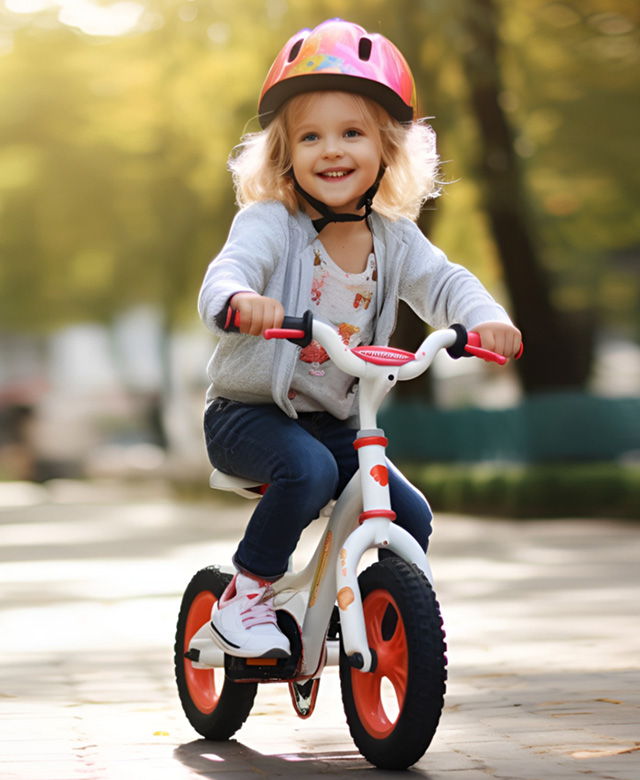
The balance bike market continues to evolve with new trends:
Eco-friendly frames and materials
Lightweight aluminum and alloy designs
Improved tire grip for outdoor learning
Modular bikes that convert from balance to pedal
Manufacturers with long-term expertise in bicycle rims, wheels, forks, and handlebars have started applying advanced engineering standards to balance bike production, improving stability and lifespan.
A child is ready to move on when they:
Glide confidently for 10+ seconds
Steer smoothly around obstacles
Use hand brakes if available
Show curiosity about pedaling
Most children transition from a balance bike to a pedal bike in 10–20 minutes of practice, often without needing training wheels at all.
Avoid these pitfalls:
Choosing a bike that’s too big
Forcing progress too quickly
Over-directing movements
Skipping safety gear
Comparing children unfairly
Remember: every balance bike learner progresses at their own pace.
The reason the balance bike method works so well is simple: it mimics real cycling physics. Children learn balance, counter-steering, and body positioning naturally.
Parents often report that children who master a balance bike also excel faster in:
Scooter riding
Skateboarding
Mountain biking
BMX cycling
What age is best to start a balance bike?
Most children can start a balance bike between 18 months and 2 years old, depending on leg strength and coordination.
How long does it take to learn a balance bike?
Some children learn basic balance on a balance bike in just a few days, while others may take weeks. Consistency matters more than speed.
Do balance bikes need brakes?
For younger riders, brakes are optional. Older children using a balance bike at higher speeds benefit from hand brakes.
Is a balance bike safe?
Yes. A properly sized balance bike, combined with a helmet and supervision, is one of the safest ways to introduce cycling.
Can a balance bike replace training wheels completely?
Absolutely. Most children who use a balance bike never need training wheels.
Teaching a child to ride a balance bike is not just about cycling—it’s about confidence, independence, and joy. With the right approach, the right equipment, and patience, the balance bike becomes a powerful learning tool that sets the foundation for a lifetime of riding.
Behind every great riding experience is reliable manufacturing and thoughtful design. The cycling industry continues to benefit from factories with decades of experience in producing bicycle wheels, forks, handlebars, chains, and other precision components—expertise that ultimately improves the quality of every balance bike on the market today.
By following this guide, understanding modern trends, and focusing on your child’s natural learning rhythm, you’ll discover that teaching a balance bike is not only effective—but incredibly rewarding.


