
Views: 0 Author: Site Editor Publish Time: 2025-10-02 Origin: Site


Electric bikes, or e-bikes, are transforming transportation with their eco-friendly design and ease of use. These modern marvels, combining pedal power with electric assistance, offer an exciting alternative to traditional vehicles. In this post, you'll learn about the definition, history, and reasons behind the growing popularity of e-bikes.
Electric bikes, or e-bikes, offer significant environmental advantages compared to traditional vehicles. Their design and operation help reduce pollution and promote cleaner, greener urban spaces.
E-bikes run on electric batteries, producing no direct emissions during use. Unlike cars or motorcycles, they don't burn fossil fuels, which means no exhaust gases like carbon dioxide or nitrogen oxides are released into the atmosphere. This zero-emission feature helps lower overall greenhouse gas emissions, contributing to the fight against climate change. For daily commutes or short trips, switching to an e-bike can drastically reduce your personal carbon footprint.
Traditional motor vehicles generate considerable noise, especially in busy city areas. E-bikes operate quietly since their electric motors produce minimal sound. This reduction in noise pollution creates a more peaceful urban environment, improving quality of life for residents and reducing stress associated with loud traffic.
Air pollution from gasoline and diesel engines harms public health by increasing respiratory problems and other illnesses. E-bikes, producing no tailpipe emissions, help improve air quality by replacing trips normally taken by polluting vehicles. More e-bikes on the road mean fewer harmful particles and gases in the air, leading to cleaner streets and healthier communities.
Note: Switching company fleets or delivery services to e-bikes can significantly lower operational emissions and improve urban air quality, benefiting both employees and local residents.
Electric bikes offer a unique blend of exercise and ease, making physical activity accessible and enjoyable for many people. They provide moderate physical activity, suit all ages and fitness levels, and even boost mental well-being.
E-bikes help riders get moderate exercise without the strain of traditional biking. The electric motor assists pedaling, reducing effort on hills or long rides. This means you can ride farther and more often, gaining health benefits without overexertion. Studies show e-bike riders burn calories and elevate heart rates enough for meaningful workouts, especially on uphill segments. They offer a gentler way to stay active, perfect for those who find regular biking too intense.
One of the biggest advantages of e-bikes is their inclusivity. They open cycling up to people who might otherwise avoid it due to age, fitness, or health issues. Older adults, those with joint pain, or people recovering from injuries can use e-bikes for low-impact exercise. The pedal assist lets riders control how much effort they put in, making it easier to start and keep going. This flexibility means families, commuters, and casual riders can all enjoy the benefits of cycling.
Riding an e-bike outdoors combines physical activity with fresh air and nature, which is great for mental health. Exercise improves mood, reduces stress, and helps with anxiety and depression. E-bikes encourage more frequent and longer rides by making cycling less intimidating and more fun. This leads to better overall well-being and a stronger connection to the community. Some programs even explore prescribing e-bikes for health benefits, showing their potential beyond just transportation.
Electric bikes offer several economic benefits that make them a smart choice for many riders. Beyond the health and environmental perks, they can save money, provide access to incentives, and positively impact local economies.
One of the biggest economic advantages of e-bikes is the significant cost savings on fuel. Unlike cars or motorcycles, e-bikes run on rechargeable batteries, which cost far less than gasoline. Charging an e-bike battery typically costs just a few cents per ride, making it an affordable option for daily commuting or errands.
Maintenance expenses are also lower compared to motor vehicles. E-bikes have fewer moving parts and don’t require oil changes, expensive engine repairs, or costly emissions tests. Basic upkeep like tire inflation, brake adjustments, and battery care is simple and inexpensive. Over time, these savings add up, making e-bikes a budget-friendly transportation option.
Many governments and local agencies recognize the benefits of e-bikes and offer rebate programs or financial incentives to encourage their adoption. These programs can reduce the upfront cost of purchasing an e-bike, making them more accessible.
For example, some regions provide grants or rebates that cover a substantial portion of the e-bike price. Others offer tax credits or discounts on accessories like helmets and locks. Businesses might also provide subsidies or perks for employees who commute by e-bike, such as secure bike parking or charging stations.
It’s worth researching local programs before buying, as eligibility and amounts vary. Taking advantage of these incentives can make owning an e-bike even more economical.
E-bikes can stimulate local economies in several ways. They encourage more frequent trips to neighborhood shops, cafes, and services, which boosts small business revenue. Since e-bikes are easier to park and maneuver in urban areas, riders tend to visit more destinations and spend more time locally.
Additionally, the growing e-bike market creates jobs in manufacturing, retail, repair, and infrastructure development. Local bike shops benefit from increased sales and service demand. Investments in bike lanes and charging stations also generate employment and improve urban mobility.
By supporting e-bike use, communities can foster economic growth while promoting sustainable transportation.
Electric bikes, or e-bikes, offer unmatched convenience and flexibility, making them an attractive option for many riders. Their design and features make riding easy, adaptable, and suited to a wide range of needs.
E-bikes are simple to operate. They combine traditional pedaling with electric assistance, so you control how much power you use. This makes starting, stopping, and climbing hills much easier than on a regular bike. You can choose low assistance for a light workout or high assistance for effortless rides. Charging is straightforward, usually done by plugging into a standard outlet, and batteries often recharge fully within a few hours. Some models even allow you to remove the battery for indoor charging, adding to their practicality.
Because e-bikes assist your pedaling, they reduce fatigue and make cycling accessible to people who might otherwise avoid it. Whether commuting, running errands, or exploring, e-bikes help you cover longer distances without getting tired or sweaty. This ease of use encourages more frequent riding, which benefits health and the environment.
E-bikes are versatile on various terrains. Thanks to their electric motors, they handle hills, rough paths, and longer rides with ease. Whether you’re navigating city streets, suburban roads, or light off-road trails, an e-bike can adapt. Many models feature different power modes to match the terrain and your energy level.
For example, on steep inclines, the motor provides extra torque, making climbs manageable. On flat surfaces, you can rely more on your own pedaling or lower assistance to conserve battery life. This adaptability means you can explore areas that might be too challenging on a traditional bike, expanding your travel options.
E-bikes come in many styles to suit different riders and purposes. Common types include:
● Urban/Commuter E-bikes: Lightweight, fast, and designed for city riding and daily commutes.
● Cargo E-bikes: Heavier, built to carry groceries, kids, or other loads.
● Mountain E-bikes: Rugged, with strong tires and suspension for off-road trails.
● Cruiser E-bikes: Comfortable, upright seating ideal for leisurely rides on flat terrain.
This variety means you can find an e-bike tailored to your lifestyle, whether you want a quick ride to work, a family-friendly option, or an adventure-ready bike. Accessories like racks, baskets, and trailers further increase flexibility.
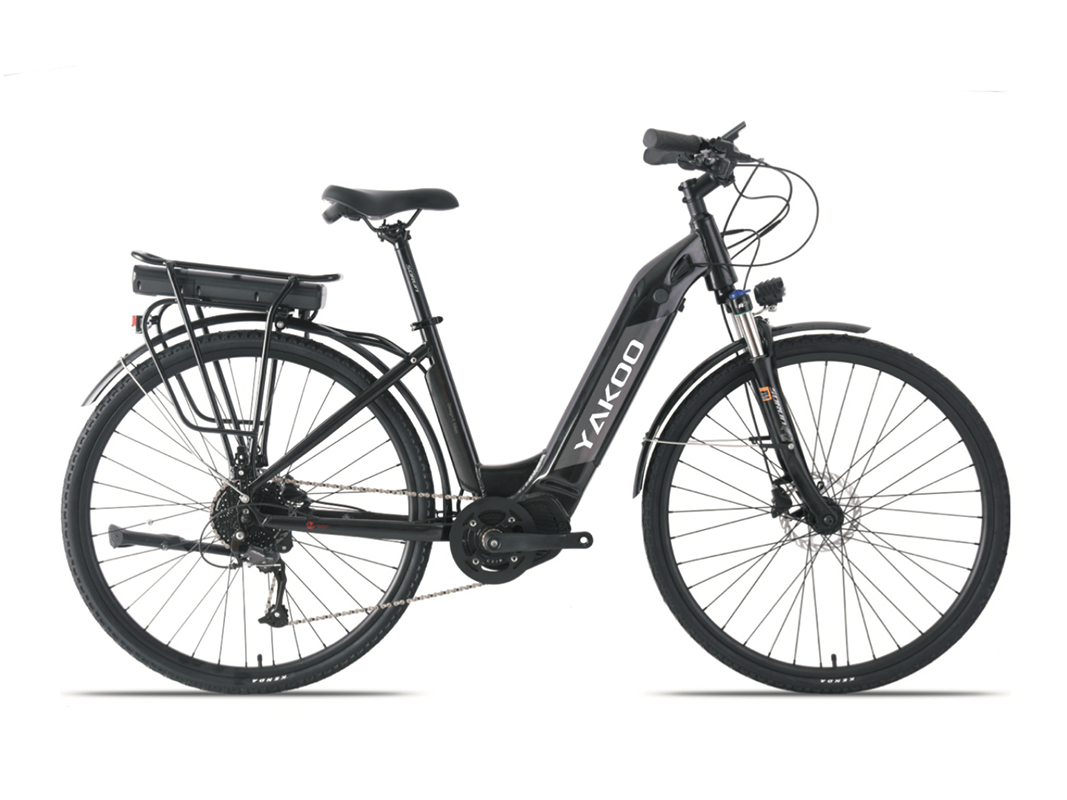
E-bikes combine the thrill of cycling with smart safety features designed to protect riders. Understanding their design, safety equipment, and road rules helps ensure a secure and enjoyable ride.
E-bikes are built tough to handle daily use and various terrains. Their frames often use strong materials like aluminum or steel, offering durability without adding too much weight. Many models include reinforced wheels and tires designed to resist punctures and provide grip on wet or uneven surfaces.
The placement of the battery and motor is carefully considered to maintain balance and stability. This design reduces the risk of tipping, especially at higher speeds or when carrying cargo. Some e-bikes come with suspension systems to absorb shocks from bumps or rough trails, improving control and comfort.
Using proper safety gear is crucial for e-bike riders. Helmets are a must and often required by law. Many riders also use reflective clothing or accessories to increase visibility, especially during low-light conditions. Lights and bells are common safety features on e-bikes, helping alert others to your presence.
Regulations for e-bikes vary by location but generally include speed limits, age restrictions, and rules about where e-bikes can be ridden. For example, Class 1 and 2 e-bikes usually have a maximum assisted speed of 20 mph, while Class 3 e-bikes can assist up to 28 mph but often require riders to be 17 or older.
It’s important to check local laws before riding. Some areas restrict e-bikes on certain trails or bike lanes. Following these rules helps keep you and others safe.
Riding an e-bike in traffic requires awareness and caution. E-bikes can reach speeds similar to cars in slow traffic, so it’s important to signal turns, obey traffic lights, and stay predictable. Use bike lanes when available and avoid busy roads if possible.
E-bikes allow riders to take alternative routes, like side streets or bike paths, reducing exposure to heavy traffic. Their agility and speed can help riders keep up with traffic flow, lowering the risk of accidents caused by sudden stops or slow movement.
Riders should always stay alert for pedestrians, vehicles, and road hazards. Wearing a helmet and using lights at night increases safety. Regular maintenance, such as checking brakes and tire pressure, ensures your e-bike performs well and responds quickly in emergencies.
Electric bikes keep evolving fast, powered by smart tech advances that make riding easier, safer, and more fun. These innovations focus mainly on batteries, smart device integration, and future trends shaping e-bike use.
Batteries are the heart of e-bikes, and recent improvements have greatly boosted their power, range, and lifespan. Modern lithium-ion batteries are lighter and hold more charge than older models, letting riders travel farther without frequent recharging. Some batteries now offer quick-charge options, reaching full power in just a few hours.
Battery management systems protect against overheating, overcharging, and deep discharge, enhancing safety and durability. Removable batteries add convenience, allowing charging indoors or swapping for a fresh one on long trips.
These advances reduce "range anxiety"—the fear of running out of power mid-ride. Longer-lasting batteries also mean fewer replacements, lowering costs and environmental impact.
E-bikes increasingly connect with smartphones and other smart devices, adding convenience and control. Riders can use apps to monitor battery life, track routes, and adjust power levels remotely. Some apps provide real-time diagnostics, alerting users to maintenance needs or potential issues.
GPS integration helps with navigation and route planning, while fitness tracking features record distance, speed, and calories burned. This data motivates riders and helps set goals.
Some e-bikes include built-in displays showing speed, battery status, and assistance mode, improving safety by keeping riders informed without distraction.
Looking ahead, e-bike tech promises even more exciting developments. Solid-state batteries, still in testing, could offer higher energy density and faster charging, revolutionizing range and weight.
Artificial intelligence (AI) may optimize pedal assist by learning rider habits and terrain, providing a smoother, more efficient ride. Integration with smart city infrastructure could allow e-bikes to communicate with traffic signals or other vehicles, enhancing safety.
Electric motors are becoming more compact and efficient, enabling sleeker designs. Lightweight materials like carbon fiber could reduce bike weight further, making e-bikes easier to handle.
Wireless charging and solar-powered batteries are also being explored, aiming to make charging effortless and eco-friendlier.
Electric bikes offer numerous benefits, including reduced emissions, improved air quality, health advantages, cost savings, and convenience. As technology advances, e-bikes will become even more efficient and user-friendly. Exploring e-bikes is encouraged for their environmental, economic, and health benefits. Tianjin Yakuo Industry & Trade Co., Ltd. provides high-quality e-bikes that enhance commuting and leisure activities, offering a greener, healthier, and more economical transportation alternative.
A: E-bikes produce zero emissions, reduce noise pollution, and improve air quality, making them environmentally friendly.
A: E-bikes offer moderate exercise, accessibility for all ages, and mental well-being by combining physical activity with outdoor enjoyment.
A: E-bikes save on fuel and maintenance costs, offer rebates, and stimulate local economies.
A: E-bikes are easy to use, adaptable to various terrains, and available in multiple models to suit different needs.


