
Views: 0 Author: Site Editor Publish Time: 2026-08-31 Origin: Site


Urban centers face mounting pressure to rethink daily mobility. Municipalities, corporate ESG programs, and everyday commuters actively seek ways to cut carbon footprints. We know short-distance travel contributes heavily to this global problem. Traditional electric vehicles alone cannot solve severe urban congestion. Expanding public transit networks remains incredibly slow, demanding massive investment and decades of planning. We need faster, more agile solutions to bridge these gaps today. The E-Bike represents a mature, immediately deployable intervention. This guide evaluates its measurable climate impact, potential implementation risks, and core deployment criteria. You will learn how to integrate an Electric Bike into personal routines or larger fleet operations seamlessly. We also explore essential safety standards, infrastructure dependencies, and procurement strategies to ensure long-term adoption success. By rethinking how we move, we build greener cities.
Immediate Carbon Displacement: An e-bike replaces short-trip car journeys with significantly lower lifecycle emissions and zero tailpipe output.
Use-Case Versatility: From Class 1 commuter models to heavy-duty cargo electric bikes, solutions exist for individual commuters, corporate fleets, and last-mile logistics.
Adoption Hurdles Require Planning: Successful integration requires addressing battery safety (UL compliance), secure infrastructure, and winter-weather contingencies.
Most personal vehicle trips span under five miles. These short journeys generate massive emissions globally. They also cause severe traffic density in our urban cores. An internal combustion engine operates highly inefficiently during these brief drives. The catalytic converter never reaches optimal operating temperatures. This inefficiency creates elevated levels of localized particulate pollution. We cannot sustain this model as city populations grow exponentially.
Electric vehicles solve the immediate tailpipe emissions issue. However, they introduce their own complex bottlenecks. Replacing gas cars with electric cars does not cure urban congestion. Cars still occupy massive physical space on our shared roads. Cities remain trapped dedicating valuable land to parking lots. Heavy battery-powered cars also produce significant tire particulate pollution. The extreme weight of EV batteries accelerates tire wear. This microscopic rubber pollution washes into our waterways during rainstorms. Furthermore, mass adoption of large EVs places tremendous strain on local power grids. Upgrading grid infrastructure takes decades. We simply shift the environmental burden from the tailpipe to the power plant.
We must define clear success criteria for modern micro-mobility. A viable solution must deploy rapidly across existing infrastructure. It needs a low barrier to entry for everyday users. It must deliver measurable carbon offsets immediately. The vehicle must be highly efficient for daily operations in dense areas. It should complement existing public transit rather than compete against it. This brings us directly to active electric transportation. We can bridge the gap between walking and driving efficiently.
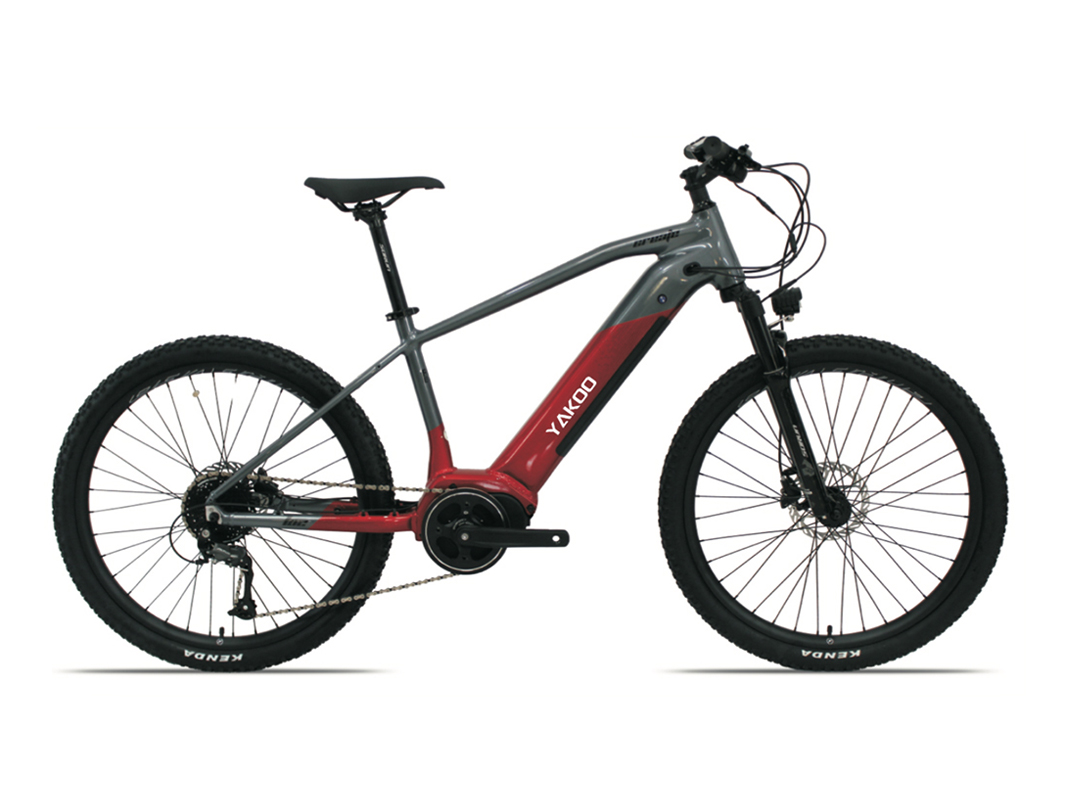
Not all bikes serve the same exact purpose. The market offers diverse categories tailored to specific operational needs. You must align the vehicle class with its intended application.
Class 1 models offer pedal assistance up to 20mph. The motor only engages while you pedal. Class 2 models include a throttle for momentum without pedaling. Both options excel in standard urban environments. They work perfectly for corporate campus mobility. You can easily integrate them into multi-modal commutes. Riders often take these lighter bikes onto trains or buses. This flexibility makes them the most popular choice for entry-level commuters. They require minimal maintenance and fit into standard bicycle parking racks. Many modern commuters feature torque sensors. These sensors measure how hard you pedal and deliver power smoothly. This creates a highly natural riding experience.
Class 3 models provide pedal assistance up to 28mph. They suit long-distance suburban commuters best. Inter-city travel often requires safe integration alongside faster-moving vehicle traffic. The higher top speed allows riders to keep pace on open roads safely. Proper safety gear remains absolutely essential for these higher speeds. Many regions require specific helmet standards for Class 3 riders. These models rarely include throttles due to regulatory restrictions. They demand more rider engagement but deliver significantly faster commute times. They bridge the gap between a traditional bicycle and a moped perfectly.
Cargo models completely transform last-mile delivery fleets. Local tradespeople use them to haul heavy tools efficiently. Many families replace their secondary vehicle for grocery runs and school drop-offs. These heavy-duty frames support massive weight capacities safely. Front-loader models place the cargo box in front of the rider. This design lowers the center of gravity for supreme stability. Long-tail models extend the rear rack to carry multiple passengers.
The key evaluation metric compares payload capacity against range degradation. Heavier loads drain the lithium battery much faster. You must balance carrying capacity against your required daily route distances.
Evaluate total payload capacity including rider weight and cargo.
Assess the center of gravity to ensure handling stability.
Calculate estimated range reduction under maximum load conditions.
Review stopping power by insisting on hydraulic disc brakes.
Many critics quickly point to the manufacturing footprint of lithium-ion batteries. We acknowledge this initial environmental cost openly. Mining raw materials does impact the environment. However, lifecycle assessments prove the carbon payback period happens remarkably fast. When an E-Bike displaces daily car trips, emission savings compound quickly. A standard Electric Bike battery requires vastly fewer resources than an electric car battery. We see payback periods measured in months, not years. The embodied carbon from manufacturing is offset within the first year of regular commuting.
Commercial fleets see incredible operational returns on this transition. Cargo bikes easily bypass notorious urban parking bottlenecks. They utilize dedicated bike lanes to reduce delivery times in congested zones. Delivery drivers spend less time circling the block looking for parking spaces. This efficiency boosts daily delivery volumes significantly. Companies improve their on-time delivery metrics dramatically. They also reduce the physical footprint of delivery operations within dense neighborhoods. Quiet operation improves the quality of life for urban residents.
Vehicle Type | Emissions per Mile | Congestion Impact | Parking Flexibility |
|---|---|---|---|
Gas Delivery Van | Very High | Severe | Poor |
Electric Van | Zero Tailpipe | Severe | Poor |
Cargo E-Bike | Zero Tailpipe | Minimal | Excellent |
Adopting micro-mobility requires careful planning. We cannot ignore the structural and safety requirements. Rushing deployment often leads to preventable accidents or asset loss.
You must prioritize battery safety above all else. UL 2849 certification is absolutely non-negotiable for modern fleets. This rigorous standard mitigates fire risks in residential buildings. It protects corporate storage facilities from thermal runaway events. Uncertified batteries pose severe dangers to riders and property. Always verify testing credentials before purchasing any model. Building managers increasingly ban uncertified batteries from entering their premises. Fire departments nationwide advocate strongly for strict UL compliance across all micro-mobility platforms.
Bicycles unfortunately attract thieves in dense urban centers. You need robust risk mitigation strategies immediately. Use heavy-duty, angle-grinder-resistant locking systems to secure frames. Install hidden GPS tracking devices inside the frame or motor housing. You should look into specialized insurance policies covering micro-mobility assets. Standard renter policies often exclude these high-value vehicles. Register your frame serial number with local authorities immediately upon purchase.
End-user safety depends heavily on local municipal infrastructure. Riders need physically protected bike lanes to feel secure. Paint on a road does not constitute safe infrastructure. Commuters require highly secure parking facilities at their destinations. Workplaces should provide charging access to alleviate rider range anxiety. Without these critical elements, broad adoption will stall. Cities must build connected networks, not just isolated lane segments. Integrating these pathways into the "15-minute city" framework accelerates urban transformation.
Choose brands supported by established local dealer networks. Avoid cheap direct-to-consumer imports lacking reliable warranty support. Regular servicing ensures optimal brake performance and drivetrain longevity. These vehicles undergo intense daily wear and tear. Local bike shops provide critical support when specialized parts wear out. You want a mechanic nearby when your motor requires diagnostics. Software updates also require authorized dealer diagnostic tools to keep the system running smoothly.
Transitioning to active electric transportation involves strategic choices. Both individuals and fleet managers must evaluate their specific needs carefully.
You must shortlist models based on local terrain conditions. Hilly areas demand higher motor torque to maintain momentum. Flat commutes allow for lower-powered, lighter hub motors. Consider your daily range needs to select the right battery capacity. Evaluate your home storage constraints very carefully. If you live in a small apartment, consider folding capabilities.
Map out your most frequent daily commute routes to estimate distance.
Test ride different motor types on steep local hills.
Measure your secure storage space at home and work.
Confirm local regulations regarding Class 3 speed limits and pathway access.
Fleet buyers face different procurement challenges entirely. You should evaluate fleet leasing or subscription models first. These options often provide built-in, scheduled maintenance services. They remove the headache of managing unexpected repairs. Set up small pilot programs before committing fully. Test employee adoption rates over a few months. Establish clear key performance indicators for these pilots. Measure actual utilization rates before scaling the fleet further. Employee feedback often reveals unforeseen infrastructure hurdles at corporate campuses.
Many local governments offer generous subsidies to encourage adoption. You can navigate tax credits to reduce initial barriers. Explore employer cycle-to-work schemes in your specific region. These incentives make adoption much easier for large organizations and individuals alike. Governments recognize the immense climate value these vehicles provide. They actively want to incentivize this critical mobility transition. Community rebate programs frequently target low-income residents to ensure equitable access to reliable transportation.
The transition toward smarter urban mobility requires practical, immediate action. Active electric transportation bridges the gap between inefficient car trips and slow public transit. It offers a scalable, sustainable path forward for crowded cities.
Adopt micro-mobility for trips under ten miles to slash emissions immediately.
Prioritize UL-certified batteries to guarantee safety across your fleet or home.
Partner with local dealers to ensure reliable long-term maintenance and warranty support.
Run small pilot programs in corporate settings to measure actual employee utilization accurately.
A: Most high-quality lithium-ion batteries last between 500 and 1000 full charge cycles. This translates to roughly three to five years of regular commuting. Once capacity drops below 80 percent, you might notice reduced range. Always recycle old batteries through certified local electronic waste facilities.
A: Yes, they handle poor weather well if properly equipped. Check the IP rating to ensure high water resistance for the motor and battery. You should install studded winter tires for icy conditions. Keep in mind that freezing temperatures can temporarily reduce battery range by up to 30 percent.
A: Absolutely. Long-tail and front-loader cargo models serve effectively as a second vehicle. They haul groceries, transport multiple children safely, and carry heavy trade tools. By bypassing traffic and avoiding parking struggles, they often complete urban errands faster than a traditional car.
A: Hub motors sit inside the wheel. They operate smoothly and work perfectly for flat, everyday commuting. Mid-drive motors are positioned at the pedals. They leverage the bike's gears directly. This makes them much more efficient for climbing steep hills or carrying heavy cargo loads.


